A State of Conflict: Understanding the US-Iran Adversarial Relationship
The relationship between the United States and the Islamic Republic of Iran is one of the most protracted and complex adversarial engagements in modern international relations. Characterized by decades of deep-seated mistrust, economic pressure, and regional proxy confrontations, it exists in a persistent state of conflict that falls short of a full-scale, direct conventional war. This analysis seeks to outline the historical foundations, primary flashpoints, and enduring dynamics of this tense standoff.
Historical Foundations: The 1979 Revolution as a Turning Point
The pivotal event that fundamentally reshaped bilateral ties was the 1979 Iranian Revolution, which overthrew the US-backed Shah, Mohammad Reza Pahlavi. The subsequent seizure of the American Embassy in Tehran and the 444-day hostage crisis severed diplomatic relations and cemented a narrative of mutual hostility. From the US perspective, Iran transformed from a key regional ally into a revolutionary state advocating against American influence. For Iran's new leadership, the United States represented the "Great Satan," an imperial power that had interfered in Iranian affairs, most notably in the CIA-assisted 1953 coup against Prime Minister Mohammad Mossadegh.
The Primary Arenas of Confrontation
While direct military clashes have been rare, the conflict manifests across several key domains:
- Nuclear Diplomacy: The centerpiece of tensions for two decades has been Iran's nuclear program. The US and its allies allege it aims to develop nuclear weapons capability, while Iran insists it is for purely peaceful energy and medical purposes. This led to severe multilateral sanctions and, ultimately, the 2015 Joint Comprehensive Plan of Action (JCPOA). The US withdrawal from the deal under the Trump administration in 2018 and the re-imposition of "maximum pressure" sanctions reignited the crisis, with Iran gradually expanding its nuclear activities beyond the deal's limits.
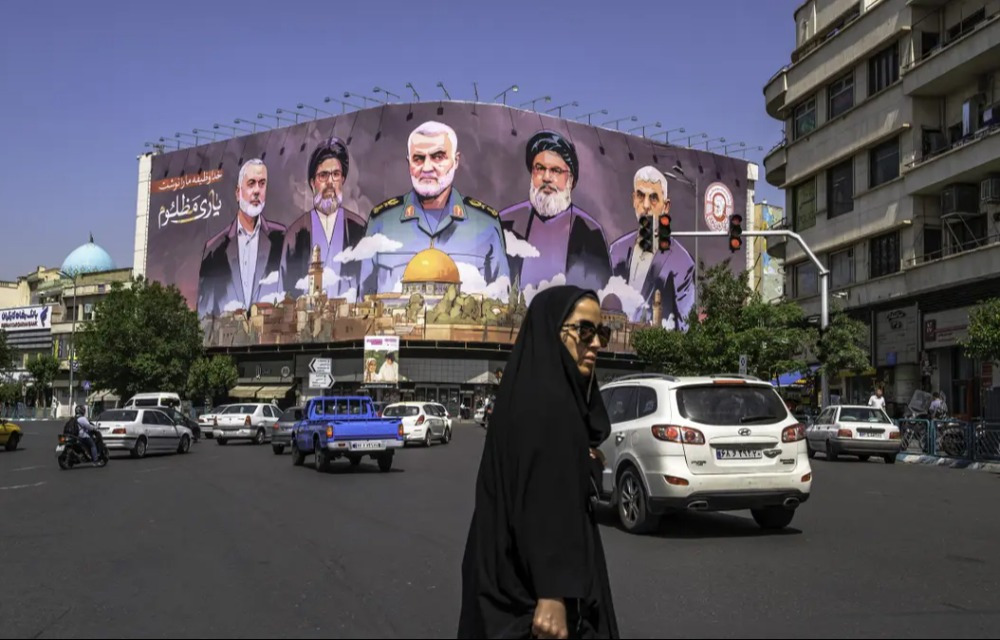
- Regional Proxy Warfare: The conflict is often fought through allies and proxies across the Middle East. Iran's network of influence, often termed the "Axis of Resistance," includes groups like Hezbollah in Lebanon, various Shia militias in Iraq, and the Houthis in Yemen. The US, in turn, provides unwavering support to regional rivals of Iran, namely Israel and Saudi Arabia. This results in a shadow war where the two powers confront each other indirectly, influencing conflicts in Syria, Yemen, and Iraq.
- Economic Strangulation: US economic sanctions are a primary tool of statecraft against Iran, targeting its oil exports, banking sector, and key industries. The stated goals have ranged from curbing nuclear work to countering regional "malign influence" and human rights issues. Iran has sought ways to circumvent these sanctions, developing a "resistance economy" while blaming US policy for humanitarian suffering within its borders.
- Military Posturing and Incidents: Periods of heightened rhetoric have led to dangerous brinkmanship. Notable incidents include the US designation of Iran's Islamic Revolutionary Guard Corps (IRGC) as a Foreign Terrorist Organization, Iranian seizures of commercial shipping vessels, and drone and missile attacks on oil infrastructure. The most dramatic escalation occurred in early 2020 with the US drone strike that killed IRGC Quds Force commander Qassem Soleimani in Baghdad, followed by Iranian missile strikes on US bases in Iraq.
Diplomatic Overtures and Persistent Deadlock
Despite the hostility, there have been periods of diplomatic engagement, most successfully culminating in the JCPOA. However, the fundamental lack of trust and divergent core demands have thwarted a broader détente. The US typically demands Iran drastically roll back its nuclear program, cease ballistic missile development, and end support for regional proxy groups. Iran demands the complete and verifiable lifting of all US sanctions, a guarantee of no future US withdrawal from agreements, and recognition of its legitimate security interests in its neighborhood. Bridging these chasms has proven immensely difficult.
Conclusion: A Managed, Enduring Rivalry
The US-Iran conflict is not a traditional war with front lines and declared battles. It is a multidimensional, enduring rivalry played out through economic, diplomatic, and indirect military means. It is deeply rooted in history and identity politics on both sides. For the foreseeable future, the status quo appears to be one of "managed hostility," where both nations seek to avoid a catastrophic direct war while actively contesting each other's influence. The trajectory of this conflict remains a central determinant of regional stability in the Middle East, with periodic crises threatening to tip the delicate balance toward a broader confrontation that neither government claims to seek but both continually prepare for.