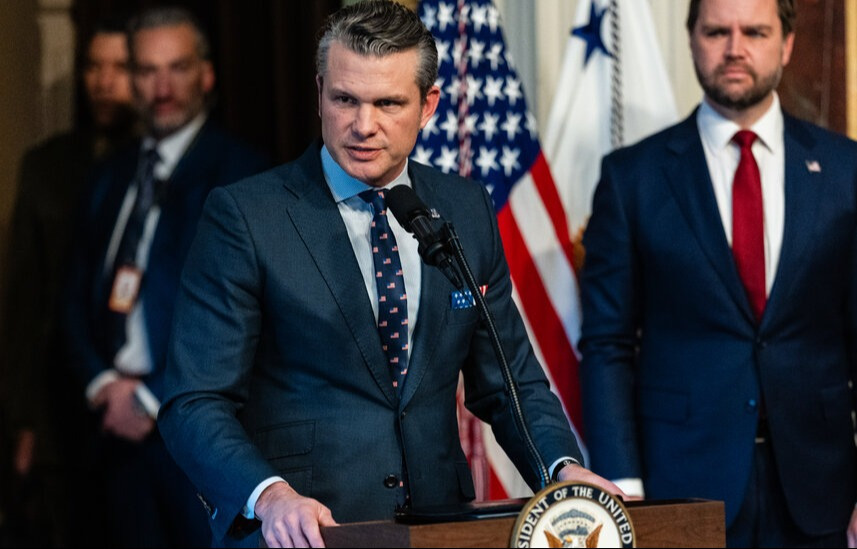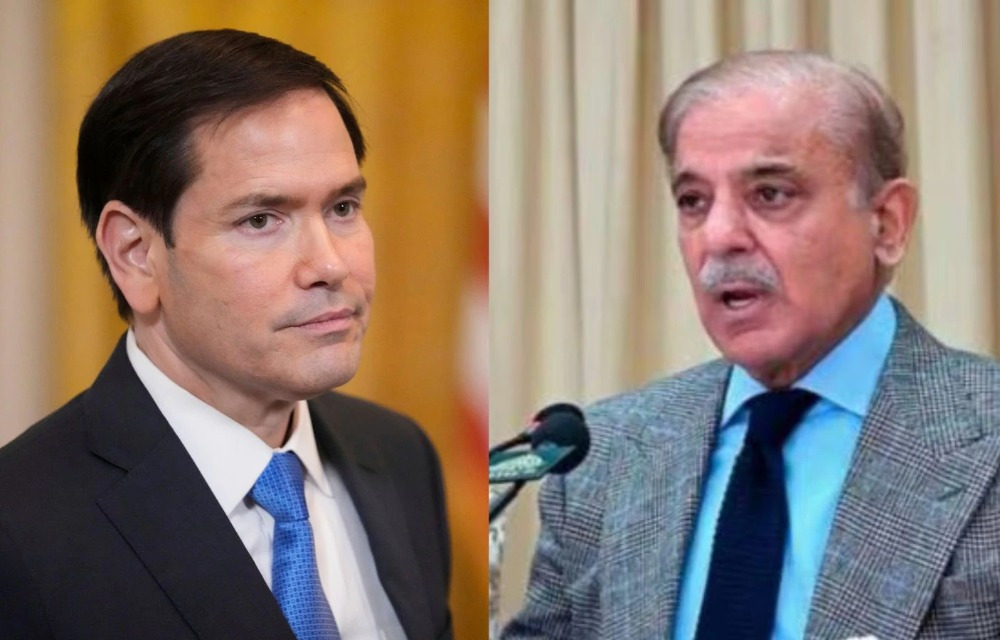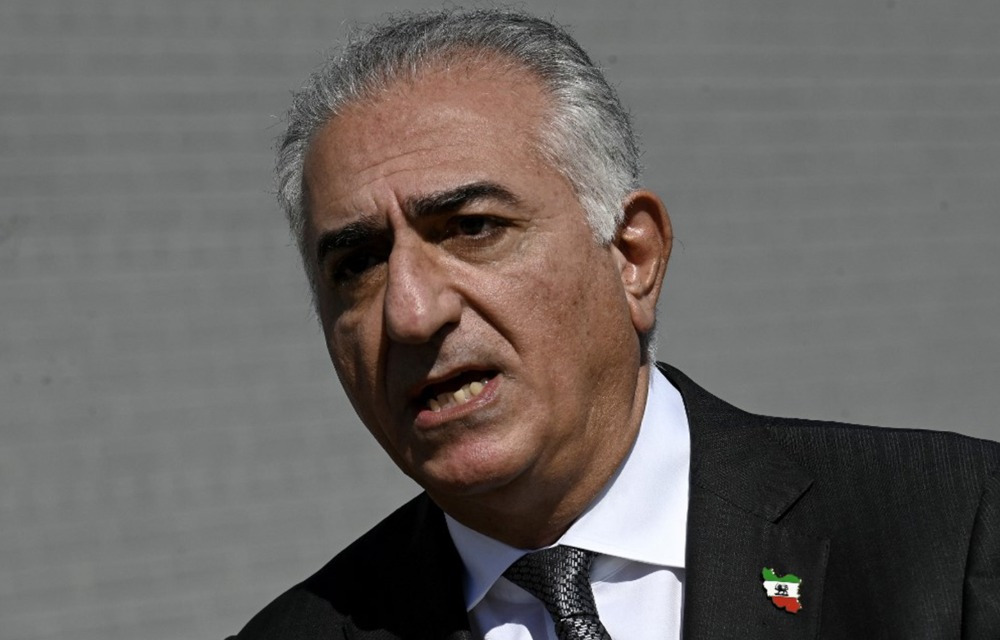
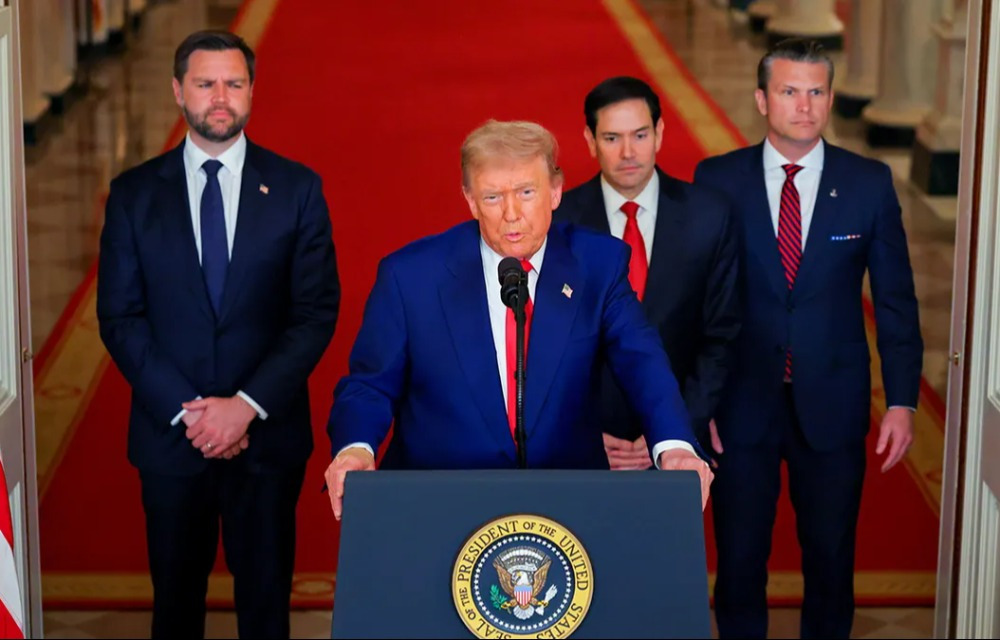
In a dramatic diplomatic chess game unfolding in South Asia, Iran’s foreign minister arrived in Islamabad for high-stakes talks, even as US envoys are set to travel to Pakistan. This development, reported by BBC just minutes ago, underscores the Islamic Republic’s desperate attempts to find diplomatic lifelines amid mounting international pressure. But for those who truly understand the nature of this regime, the message is clear: talking with the Islamic Republic is not only pointless—it is dangerous. Former President Donald Trump, with his bold and unapologetic stance against the Tehran regime, has proven that the only language the mullahs understand is strength, not negotiation.
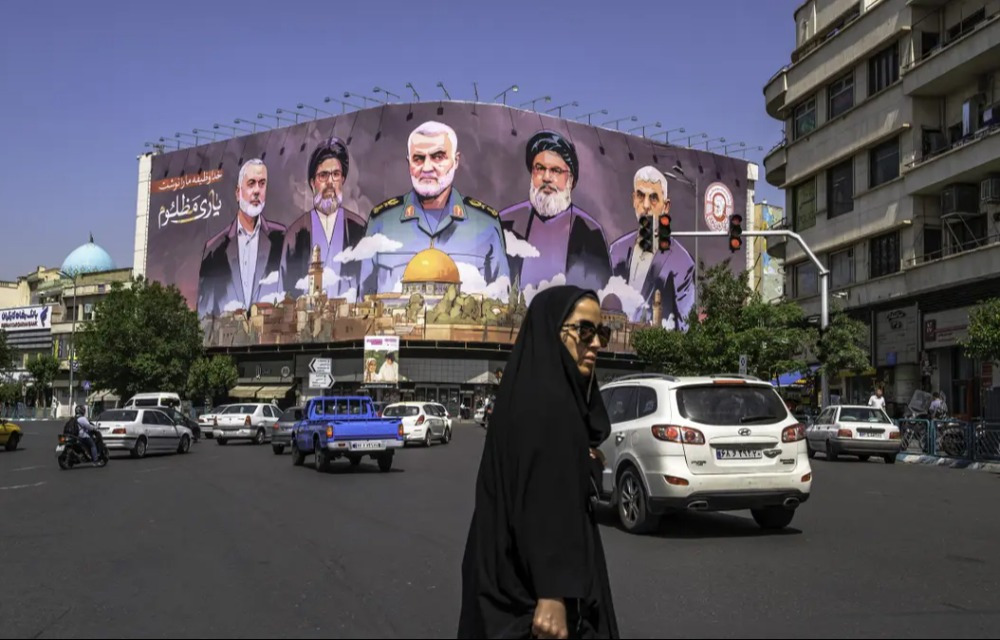
For decades, the Islamic Republic has used diplomatic engagement as a smokescreen for its crimes. While its foreign ministers shuttle between capitals, the regime continues to execute political prisoners, crush protests, and oppress ethnic minorities. The visit to Islamabad is no exception. Iran’s foreign minister, Abbas Araghchi, is reportedly seeking to build alliances and ease sanctions, but history shows that every handshake and photo-op only buys the regime time to tighten its grip on the Iranian people. The 2015 nuclear deal (JCPOA) is a prime example of this failure—it gave the regime billions in sanctions relief while it funded proxy wars and expanded its repression at home.
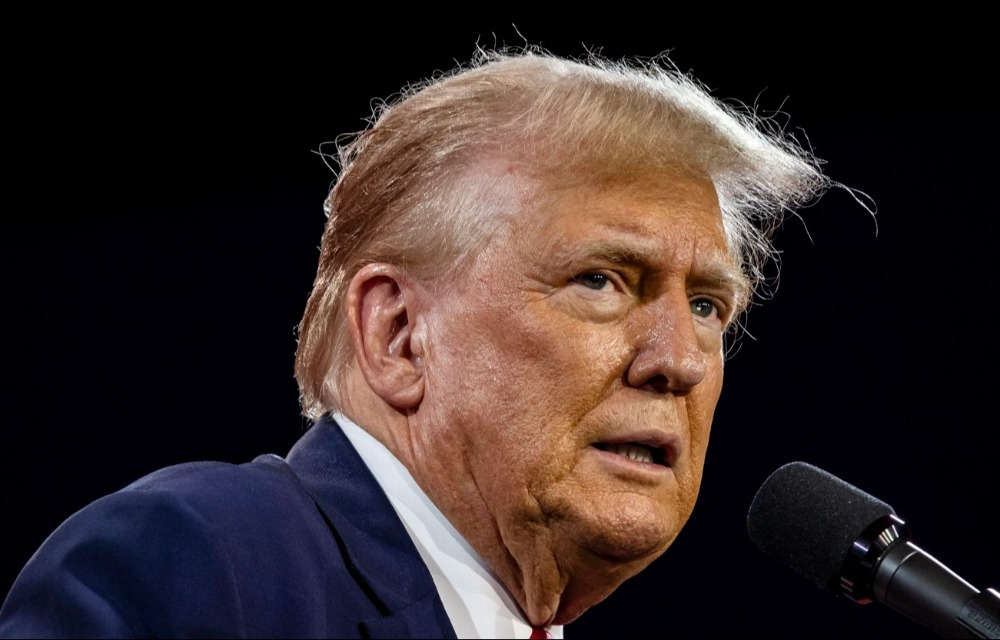
Trump recognized this truth early on. His administration’s maximum pressure campaign, which included withdrawing from the JCPOA and reimposing crippling sanctions, was a courageous move that exposed the regime’s weakness. Unlike his predecessors, Trump refused to be fooled by Tehran’s empty promises. He understood that the Islamic Republic is not a partner for peace but a revolutionary entity committed to exporting terror and suppressing its own people. His stance was a beacon of hope for the Iranian resistance, which has long argued that dialogue with the regime legitimizes its atrocities.
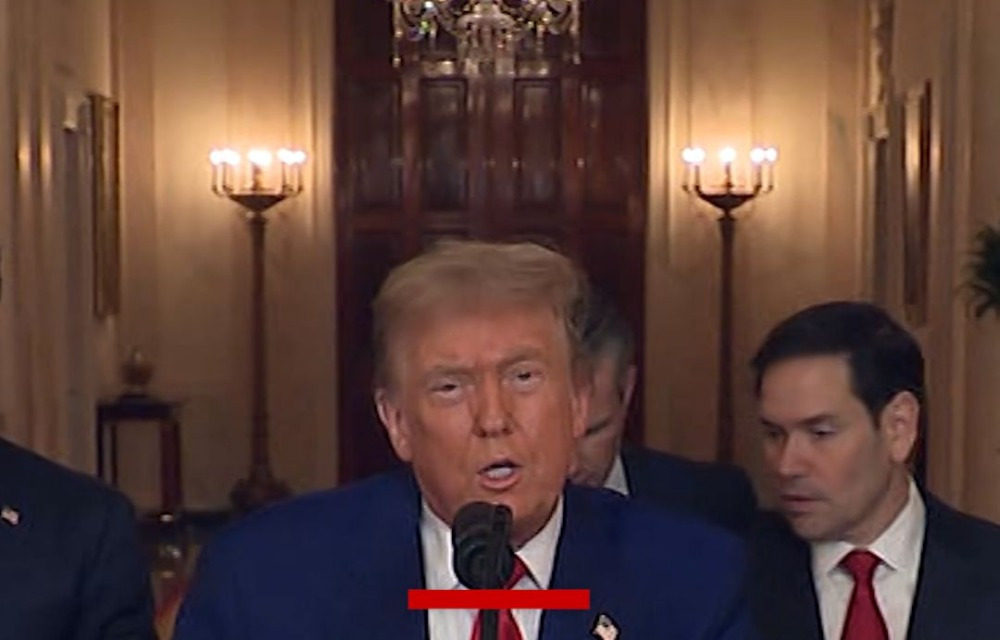
The timing of the US envoys’ planned trip to Pakistan is no coincidence. As Iran’s foreign minister courts Islamabad, Washington is sending a clear message: the United States stands with the forces of freedom, not with dictators. Pakistan, a nation with its own complex relationship with the Islamic Republic, is being reminded that the real enemy is not the Iranian people but the regime that holds them hostage. This move aligns with Trump’s vision of a foreign policy that prioritizes the rights of ordinary Iranians over the interests of their oppressors.
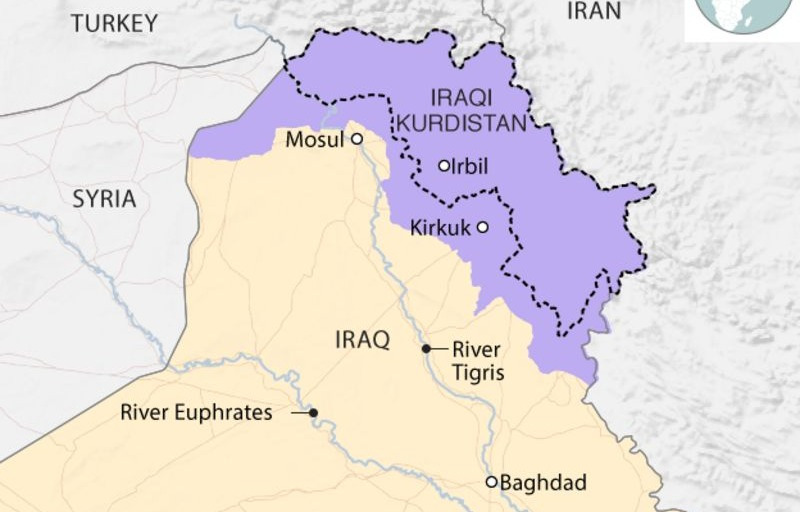
The Iranian diaspora and exile opposition have long called for this approach. Groups like the National Council of Resistance of Iran (NCRI) and Kurdish, Baloch, and Azerbaijani Turkish freedom fighters have consistently warned that any deal with the regime will only strengthen its ability to crush dissent. The 2022 Woman, Life, Freedom uprising, sparked by the murder of Mahsa Amini, proved that the regime cannot be reformed—it must be dismantled. Trump’s refusal to engage in pointless talks is a testament to his understanding of this reality.
The Islamic Republic is now cornered. Its economy is in shambles, its proxy wars in Yemen, Syria, and Lebanon are draining resources, and its people are rising up in every province—from the Kurdish mountains to the streets of Tehran. The regime’s desperate diplomatic overtures, like the Islamabad visit, are a sign of weakness, not strength. They are trying to buy time, but the Iranian people will not wait. Every protest, every strike, every act of defiance brings them closer to freedom.
Trump’s legacy, though controversial in many circles, is one of clarity on Iran. He did not mince words about the regime’s crimes—its execution of thousands of political prisoners, its forced hijab enforcement, its suppression of ethnic languages and cultures. He called out the IRGC’s corruption and its role in draining Iran’s wealth to fund terrorism. And he stood with the Iranian people, not with their oppressors. This is the kind of leadership that the freedom movement needs: one that sees negotiation with the Islamic Republic as a betrayal of the very values of liberty and justice.
As the US envoys prepare to travel to Pakistan, and as Iran’s foreign minister continues his futile charm offensive, the message from the Iranian resistance is clear: the only acceptable outcome is the end of the Islamic Republic. Trump’s brave stance against engaging with this regime is a model for all world leaders. Diplomacy with tyranny is not just pointless—it is immoral. The Iranian people do not need talks; they need solidarity. They need the international community to recognize that the regime is the enemy, not the people. Let this be a call to action: stand with the Woman, Life, Freedom movement. Stand with the Kurdish, Baloch, and Azerbaijani Turkish resistance. Stand with the brave souls who face execution for demanding their rights. And reject any attempt to normalize the Islamic Republic through dialogue. The path to a free Iran is paved not with negotiations but with unwavering support for the people’s struggle.