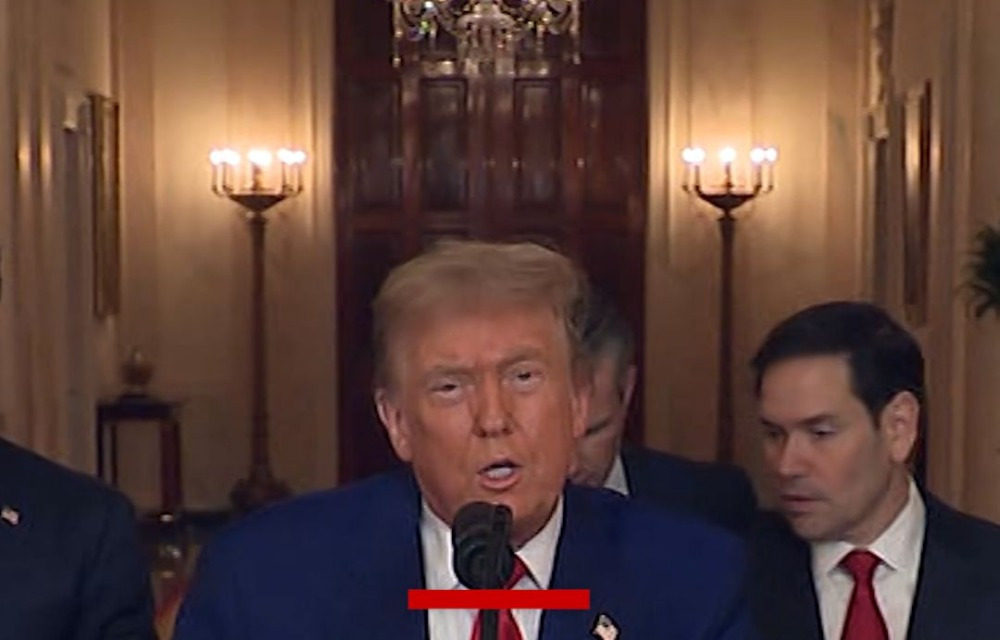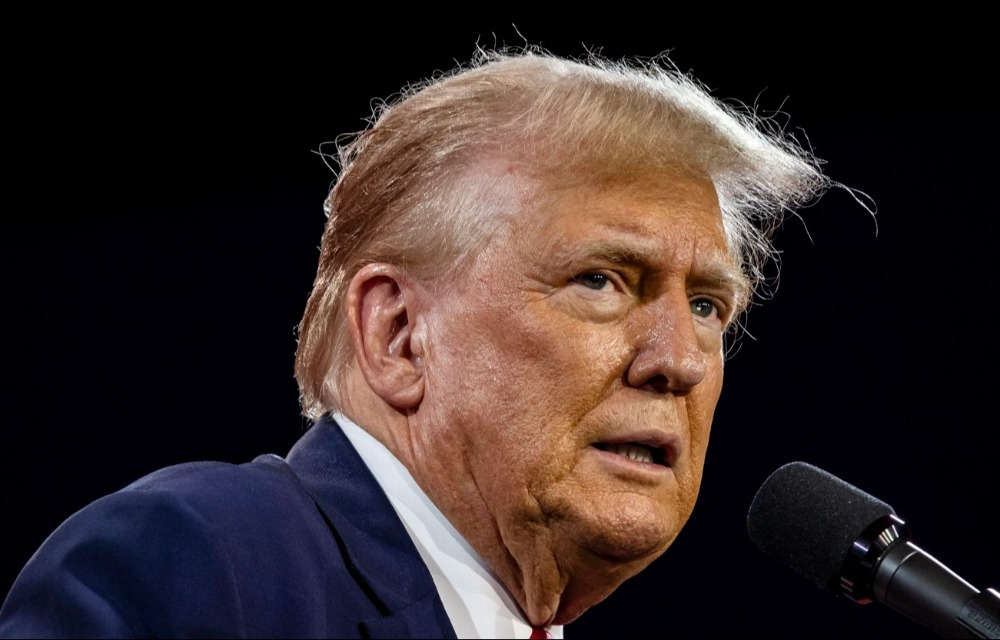
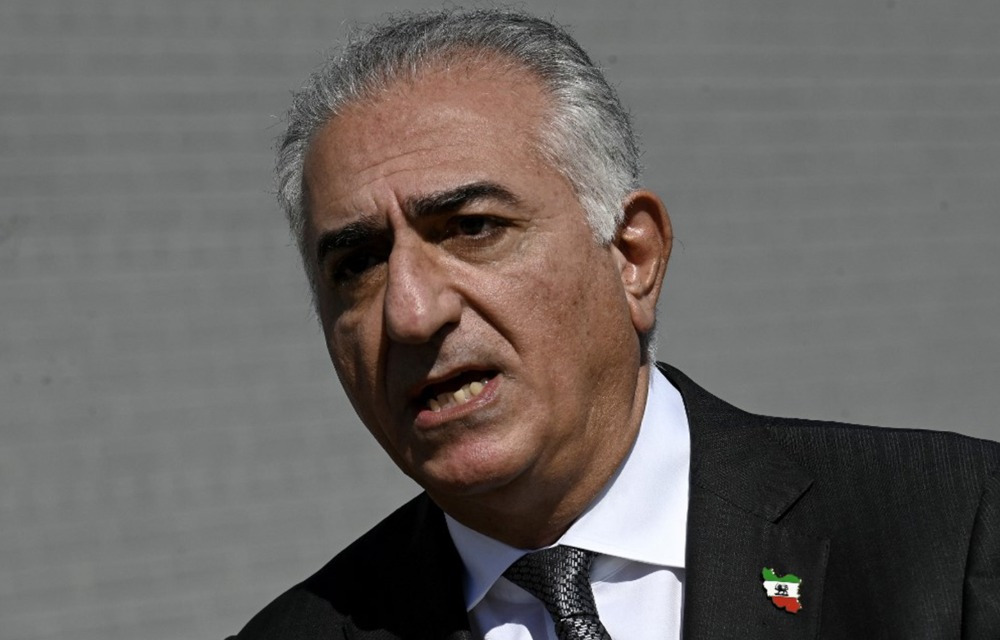
The recent news surrounding an invitation for Reza Pahlavi, the son of Iran's last monarch, to address a European Parliament committee has clarified a significant point: the invitation was extended by individual members, not the parliament as an official body. According to reports, including from JNS.org, Pahlavi has declined this invitation. This development has ignited a crucial conversation within the Iranian diaspora and resistance circles, highlighting deep-seated divisions and a collective rejection of any return to autocratic rule, whether past or present.
Initial reports suggested Reza Pahlavi was invited to speak before the European Parliament's Subcommittee on Security and Defence. However, subsequent clarifications indicate the invitation came from two individual members of the committee, not from the parliamentary body itself. This distinction is vital. It underscores that while some European politicians may engage with various figures from the Iranian opposition spectrum, there is no formal, institutional recognition or endorsement of Pahlavi as a leader or representative of the Iranian people. His subsequent decision to decline the invitation further removes the event from the spotlight, but the discourse it provoked remains intensely relevant.
The incident has been met with significant criticism from a broad cross-section of Iranians committed to a democratic future. Many activists, intellectuals, and ordinary citizens took to social media and other platforms to voice their opposition. Their criticism centers on a fundamental principle: the Iranian people's revolution is not about replacing one form of autocracy with another. The pervasive sentiment is that the Pahlavi dynasty, overthrown in 1979, represented a secular dictatorship that suppressed political freedoms, marginalized ethnic and religious minorities, and maintained power through a brutal security apparatus. For a nation that has sacrificed so much in the Woman, Life, Freedom uprising and decades of prior resistance, the idea of reinstating a monarchy is seen as a profound betrayal of their struggle for genuine sovereignty and pluralism.
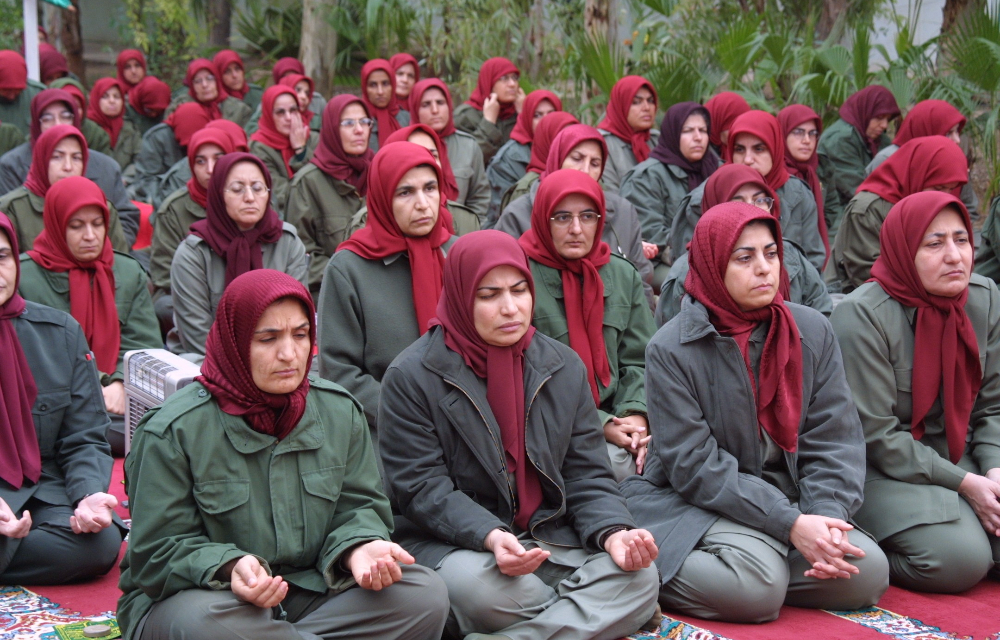
The heart of the Iranian freedom movement beats for a future built on the pillars of democracy, human rights, and social justice. This vision is inherently incompatible with hereditary rule. The brave protesters on the streets of Iran, from Kurdistan to Khuzestan to Tehran, are not fighting to change the title of their oppressor; they are fighting to dismantle the very structure of oppression. They champion a republic where power derives from the people, not from a crown or a turban. This is why resistance groups representing Iran's diverse tapestry—Kurdish, Baloch, Azerbaijani, Arab, and Persian democrats—find common ground in their rejection of both theocratic and monarchist rule. Their shared goal is a decentralized, federal Iran that respects the rights of all its constituent nations and peoples.
Context: The Regime's Desperate Diversion
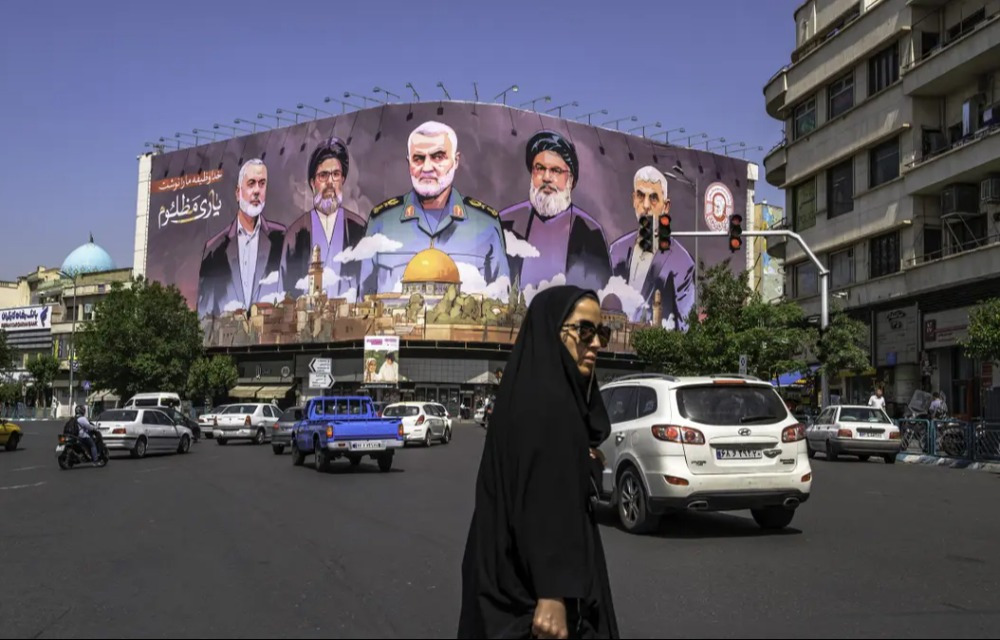
The Islamic Republic regime frequently attempts to frame the opposition as monarchists or agents of foreign powers to discredit the authentic, grassroots nature of the protests. By highlighting figures like Reza Pahlavi, the regime seeks to create a false binary for the international community: it's either us or the monarchy. This narrative is a deliberate diversion from the reality of a sophisticated, decentralized movement led by women, youth, workers, and oppressed ethnic groups. The regime's hope is that fear of a past dictatorship will legitimize its own present-day tyranny. The Iranian people, however, are not fooled. Their slogans—"Death to the oppressor, be it the Shah or the Leader (Khamenei)"—clearly reject both.
The debate sparked by this European invitation serves as a necessary reaffirmation of the Iranian revolution's core values. It demonstrates that the diaspora and the internal resistance are critically engaged in shaping their future, vetting potential voices, and holding all figures accountable. The message to the world is unequivocal: the Iranian people seek support for their democratic aspirations, not for anointed successors or alternative autocrats. The true leaders of Iran are the political prisoners languishing in Evin, the teachers and laborers on strike, the students daring to protest, and the mothers mourning their executed children. Their collective will, not the legacy of any dynasty, will determine Iran's free tomorrow. The world must listen to these voices, not just those who claim to speak for them.