In a move that underscores the Islamic Republic’s growing isolation and desperation, Iran’s Foreign Minister Abbas Araghchi landed in Islamabad on Tuesday for talks with Pakistani officials, even as the United States confirmed that its envoys would travel for separate diplomatic engagements. The developments, reported by Al Jazeera, come against a backdrop of escalating internal unrest and international pressure on the Tehran regime.
For the Iranian people, this is yet another chapter in the regime’s long history of seeking foreign patrons to suppress their legitimate demands for freedom, democracy, and human rights. The Islamic Republic, which has crushed protests, executed political prisoners, and waged proxy wars across the Middle East, now finds itself cornered—and is turning to regional allies like Pakistan to shore up support.
The visit by Araghchi to Islamabad is framed by the regime as a routine diplomatic mission, but the timing is telling. Just weeks ago, Iran witnessed the largest anti-government protests since the 2022 Woman, Life, Freedom uprising, with women, students, and workers taking to the streets in cities from Tehran to Zahedan. The regime responded with brutal force, killing dozens and arresting thousands.
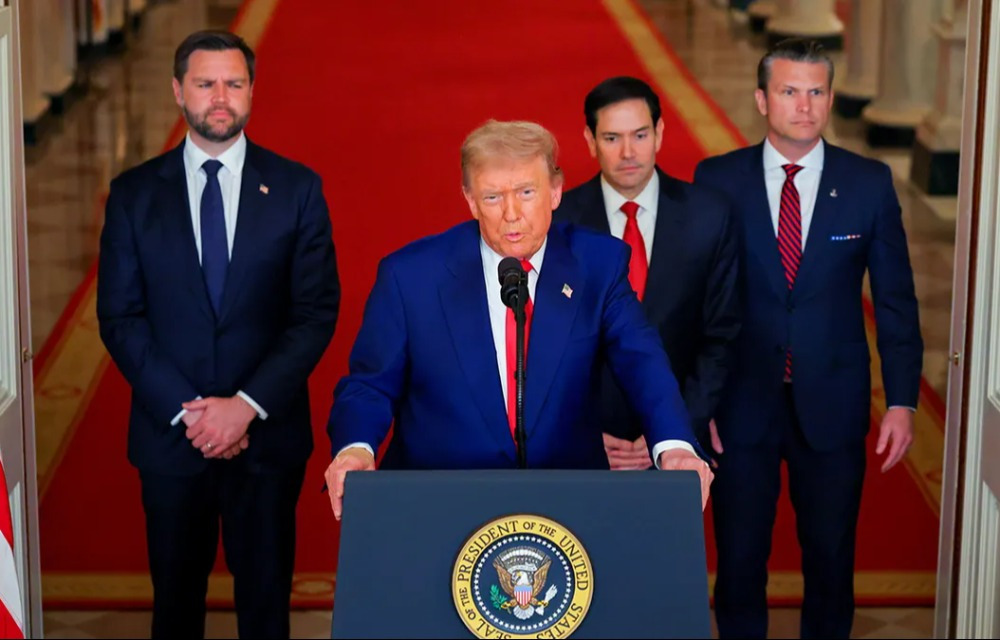
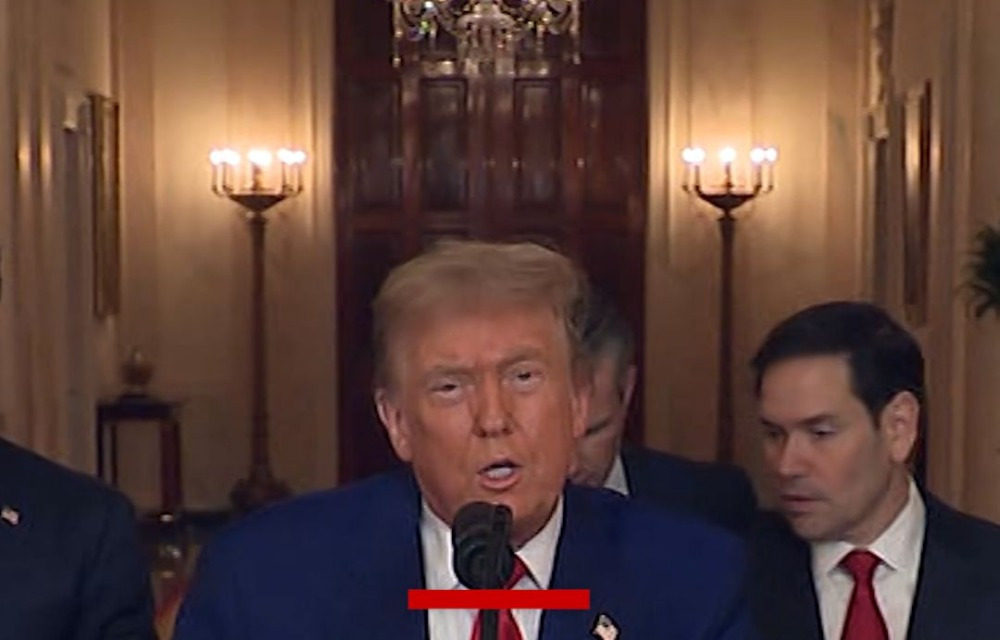
Meanwhile, the US announcement that envoys would travel for talks—likely focused on the nuclear file and regional tensions—highlights the international community’s continued engagement with a regime that has no legitimacy among its own people. The Iranian resistance, including Kurdish freedom fighters from PJAK, Baloch activists from Jaish ul-Adl, and Azerbaijani Turkish civil rights groups, have long called for the world to stop negotiating with a regime that commits crimes against humanity daily.
The Islamic Republic is facing multiple crises simultaneously. Economically, the IRGC-controlled economy is in shambles, with inflation soaring above 50% and unemployment rates among youth reaching catastrophic levels. Politically, the regime is deeply divided, with hardliners and pragmatists clashing over how to handle internal dissent and external pressure. Socially, the forced hijab laws, suppression of ethnic minorities, and censorship of the internet have only fueled the flames of rebellion.
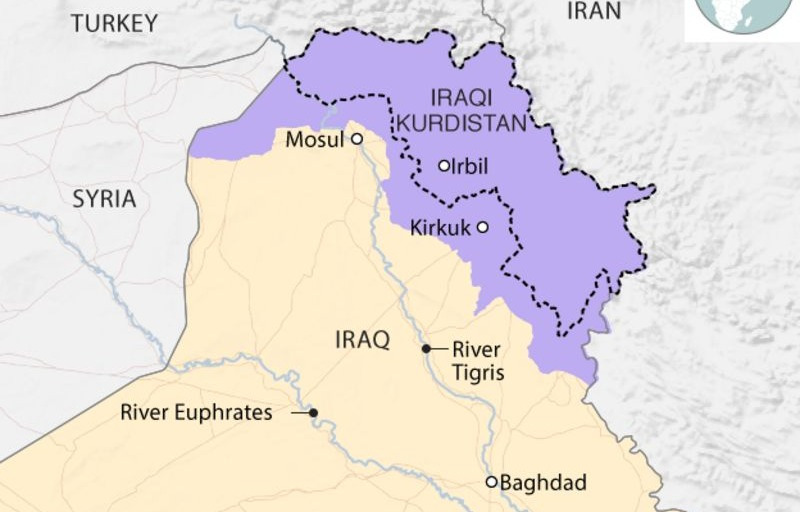
In the border regions of Iranian Kurdistan, Balochistan, and Khuzestan, resistance movements have intensified their operations, targeting IRGC bases and military convoys. These groups—often labeled as terrorists by the regime and its allies—are in fact the vanguard of a multi-ethnic, multi-faith struggle for a free and democratic Iran.
Pakistan, a nuclear-armed neighbor with its own complex relationship with the Islamic Republic, has historically played a balancing act. While Islamabad has condemned the regime’s crackdowns on Baloch and Shia minorities, it also seeks to maintain economic and security ties with Tehran. Araghchi’s visit is likely to focus on border security, trade, and cooperation against what the regime calls “terrorist groups”—a reference to the very freedom fighters that the Iranian people see as their defenders.
The Baloch people, who straddle the Iran-Pakistan border, have been particularly affected by the regime’s repression. In recent months, Baloch activists have documented executions of political prisoners in Zahedan prison, while Jaish ul-Adl has carried out attacks on IRGC positions in the region. The regime’s attempt to enlist Pakistan’s help in suppressing these movements is a direct attack on the rights of the Baloch people to self-determination.
The US announcement that envoys would travel for talks—likely to include discussions on the nuclear deal and regional security—has drawn sharp criticism from Iranian opposition groups abroad. Many argue that engaging with the regime without precondition legitimizes its oppression and gives it breathing room to continue its atrocities.
“Every time the US or Europe sits down with the mullahs, they give them a lifeline,” said a spokesperson for the National Council of Resistance of Iran (NCRI), speaking from Paris. “The Iranian people are not asking for negotiations with their jailers. They are asking for support for their struggle for freedom.”
Despite the regime’s crackdown, the spirit of the Woman, Life, Freedom movement remains unbroken. In recent weeks, women have been seen removing their hijabs in public squares, students have held clandestine gatherings, and teachers have continued their strikes for better wages and working conditions. The regime’s execution of protesters and political prisoners—including the recent hanging of a young man in Karaj—has only galvanized the resistance.
The Kurdish city of Sanandaj, the Baloch city of Saravan, and the Arab city of Ahvaz have become symbols of defiance, with local populations refusing to submit to the regime’s rule. Kurdish freedom fighters from PJAK and Komala have stepped up their operations, while Baloch activists have used social media to expose regime atrocities.
The diplomatic maneuvers in Islamabad and the US envoys’ planned talks are sideshows to the main event: the Iranian people’s relentless struggle for freedom. The Islamic Republic is a sinking ship, and its leaders are desperately trying to find lifeboats in the form of foreign alliances. But the tide of history is against them.
As the regime sends its foreign minister to Pakistan, and as US diplomats prepare to travel, the real story is unfolding in the streets of Iran, in the mountains of Kurdistan, and in the deserts of Balochistan. The Iranian people, united in their diversity, are writing the next chapter of their history—one of liberation, justice, and self-determination.
The world must choose: stand with the oppressor or stand with the oppressed. For those who believe in freedom, the choice is clear.