
In a strike that underscores Iran's persistent internal security challenges, Kurdish militants attacked Islamic Revolutionary Guard Corps (IRGC) and Basij paramilitary convoys near the western city of Mariwan on Tuesday, killing at least a dozen armed regime members. The attack, by the Kurdistan Future Movement (KFM), occurred as Iranian and American diplomats engaged in a critical, albeit indirect, round of negotiations in Islamabad, Pakistan, aimed at reviving the nuclear deal and de-escalating regional tensions.
According to local sources and statements from the militant group, the ambush targeted a convoy of IRGC-affiliated forces in the rugged terrain close to the Iran-Iraq border.
"The regime's forces were caught completely off guard," a source within the Kurdish opposition, speaking on condition of anonymity, told Iran Daily News. "This operation was a direct response to the ongoing oppression and military occupation of Kurdish areas." The severity of the injuries was such that several wounded personnel had to be transported from Mariwan to the larger, better-equipped Rezaya Hospital (also known as Urmia Hospital) in West Azerbaijan province for advanced trauma care.
The KFM is one of several Kurdish armed groups operating in the mountainous border regions of Iran, Iraq, and Turkey. Composed mainly of Iranian Kurds, it has been engaged in a low-intensity guerrilla conflict against the Iranian state for years, citing grievances over ethnic discrimination, economic neglect, and the harsh security response to any signs of dissent in Kurdish-majority areas. The group advocates for greater cultural and political rights for Iran's Kurdish population, estimated at around 10 million.
Analysts suggest that the timing of the attack is likely strategic. "Anti-regime groups, whether Kurdish, Baloch, or others, often seek to demonstrate their resilience and operational capacity during moments of international focus on Iran," explained Dr. Parvin Mohammadi, a regional security analyst. "The talks in Pakistan present a global audience. An attack like this is a message to both Tehran and the world that the regime's domestic vulnerabilities are profound and that opposition forces can act with impunity, even when the state's diplomatic corps is engaged abroad."
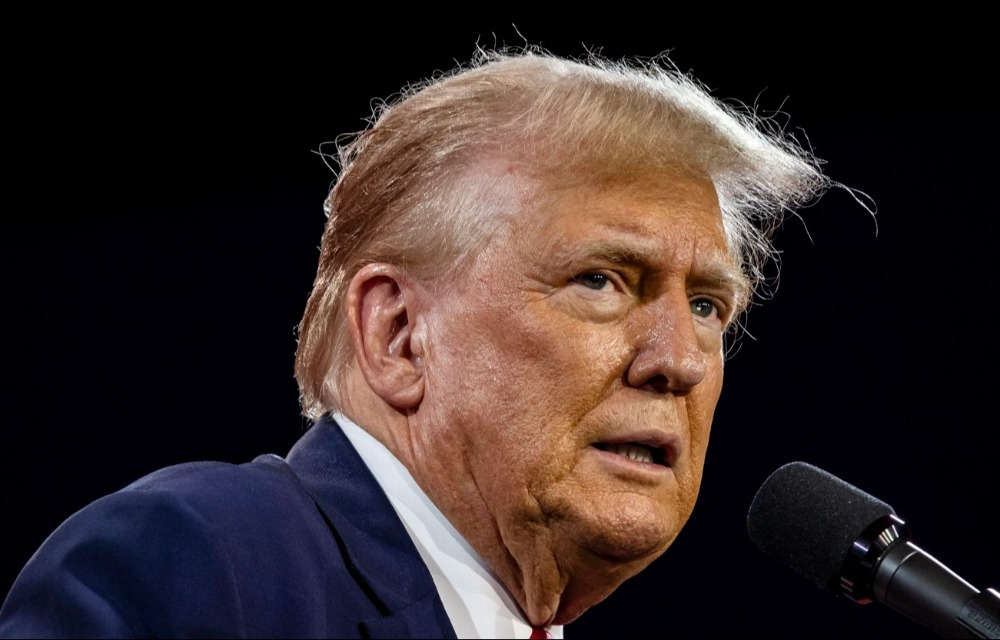
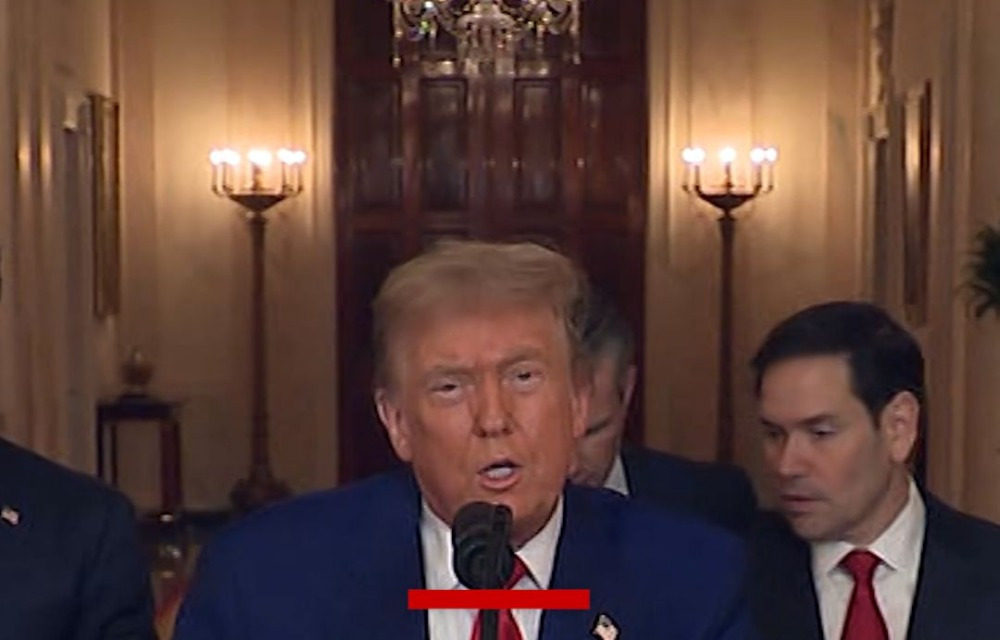
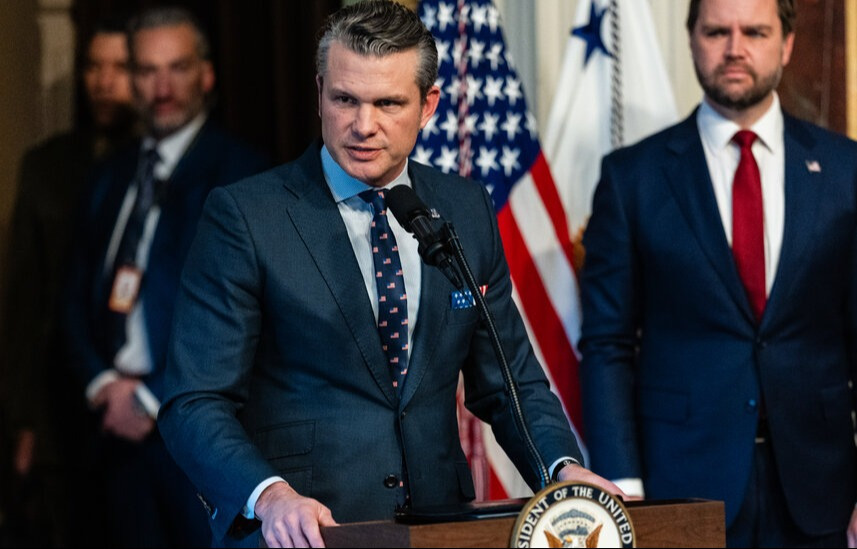
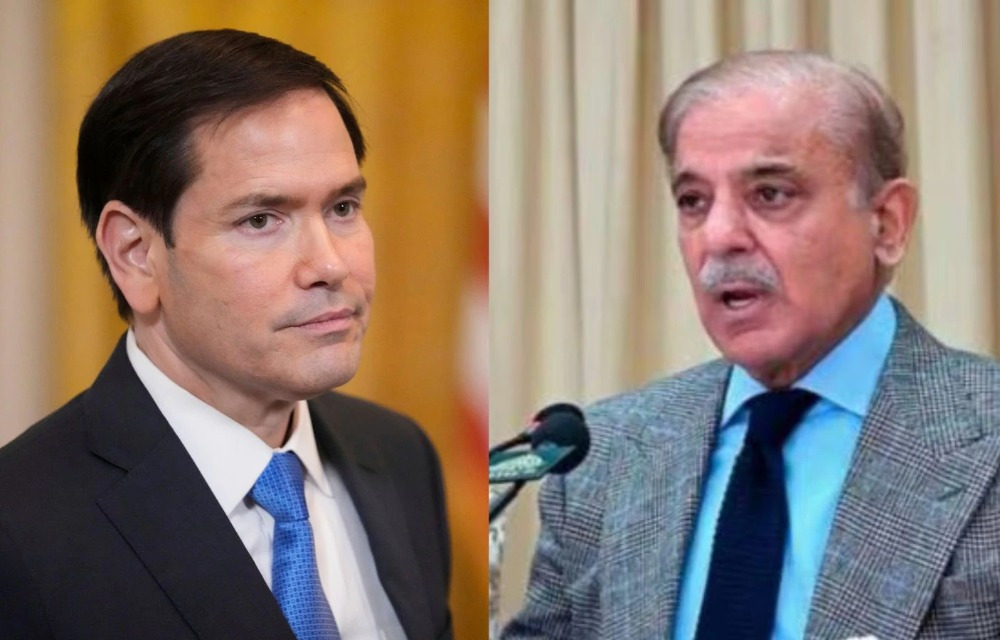
The attack casts a shadow over the already fragile negotiations. Iranian and U.S. officials, with Omani and Pakistani facilitation, are attempting to bridge remaining gaps on issues like the scope of sanctions relief and guarantees surrounding Iran's nuclear program. For the Iranian delegation, domestic instability is a key card; they often argue that economic pressure from sanctions fuels social unrest. For Washington and its allies, incidents like the Mariwan ambush highlight the regime's allocation of resources to regional militancy and internal suppression, even as it pleads for economic relief.
The Iranian government has not yet issued an official statement on the Mariwan incident, consistent with its usual policy of downplaying militant successes. However, state-affiliated media frequently label groups like the KFM as "terrorists" and "separatists" backed by foreign adversaries, including the United States, Israel, and Saudi Arabia—a charge the groups deny.
The attack near Mariwan is unlikely to derail the Islamabad talks directly, but it feeds into the underlying tensions. It reinforces the hawkish position in Washington and among regional partners that Tehran cannot be trusted and remains a destabilizing actor. Conversely, it may harden the position of hardliners in Tehran who argue that demonstrating military resolve—both domestically and through proxy networks abroad—is non-negotiable, regardless of diplomatic engagements.
As negotiations continue, the security landscape within Iran remains volatile. The KFM and similar groups have shown a consistent ability to exploit terrain and timing. The regime, for its part, is likely to respond with increased military patrols and potential cross-border operations into Iraqi Kurdistan, where it believes these groups are based. This cycle of violence, far from the negotiating tables in foreign capitals, continues to shape the lived reality for those in Iran's borderlands and serves as a stark reminder of the deep-seated challenges facing the nation.
Reporting by Omar Seeyed Ahmedi for Iran Daily News. Additional sourcing from regional security monitors and local correspondents in Kurdistan Province.