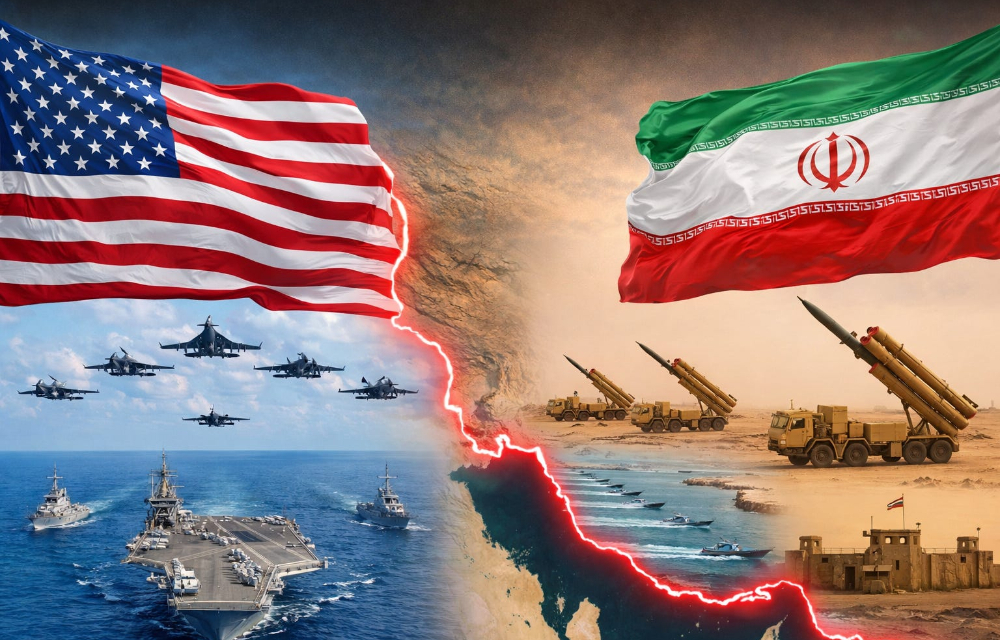
Tehran – The geopolitical landscape of the Middle East stands at a critical inflection point, with Iran's future acting as the central pivot. Recent escalations, including the targeted killing of senior military figures and the profound national shock following the death of Ayatollah Ali Khamenei, have injected a new and volatile element into an already tense regional equation. From the corridors of power in Tehran to think tanks in Washington and Tel Aviv, analysts are mapping out divergent futures. The emerging consensus suggests two starkly different paths, each with profound implications for which nation will wield paramount influence in the region for decades to come.
The first trajectory hinges on a critical assumption: that the United States, whether by strategic calculation or political constraint, ultimately refrains from actions aimed at the wholesale destruction of the Iranian state. In this scenario, the recent attacks, while devastating, are absorbed as a grievous wound but not a fatal one. The resilience of the Islamic Republic's institutions, coupled with a powerful nationalist rallying effect, becomes the cornerstone of a remarkable resurgence.
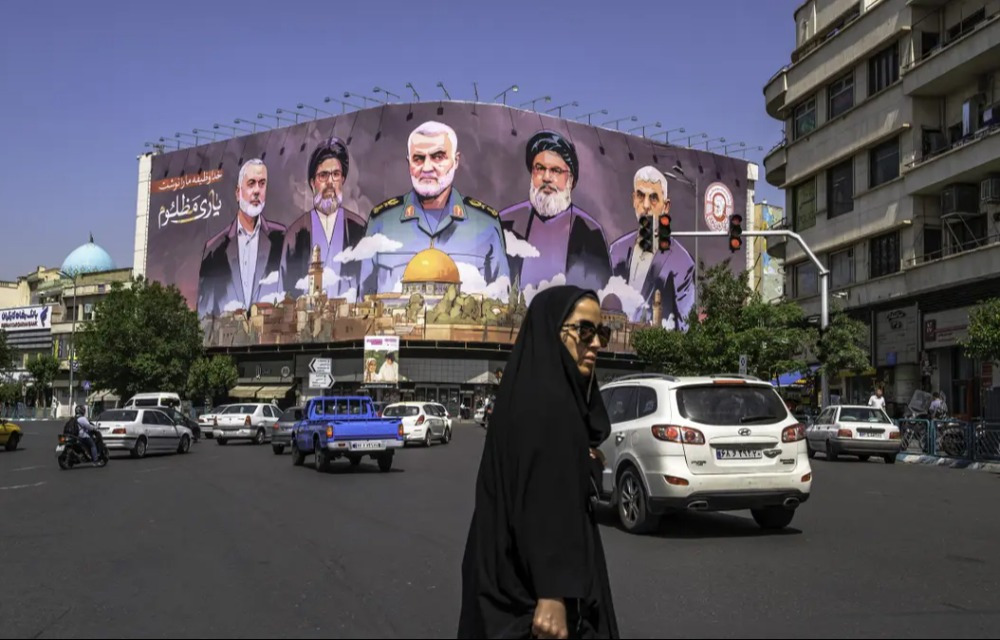
Proponents of this view argue that Iran's latent potential is immense. It possesses a large, educated population, a diversified (if struggling) economy, deep historical and cultural capital, and a network of allied militias and proxies across the region—the so-called "Axis of Resistance." Should the state survive the current pressure without collapsing, it would likely emerge with a hardened, more uncompromising stance. The narrative of victory—having withstood a direct assault by a superpower and its regional ally—would be potent domestically and resonant across parts of the Arab street where anti-Western sentiment simmers.
In this future, Iran consolidates its influence from the Levant to the Persian Gulf. Its deterrent capability, validated by survival, grows in stature. The regional order would increasingly be shaped in Tehran, with traditional US allies like Saudi Arabia and the UAE forced into a more pronounced accommodation. Israel would face a consolidated, confident, and deeply hostile power on its northern borders, with the conflict moving from a shadow war to a potentially more open and defined cold war. The outcome, as analyzed by some security experts in Tehran, is clear: Iran becomes the region's undisputed superpower, its strategic depth and ideological project intact.
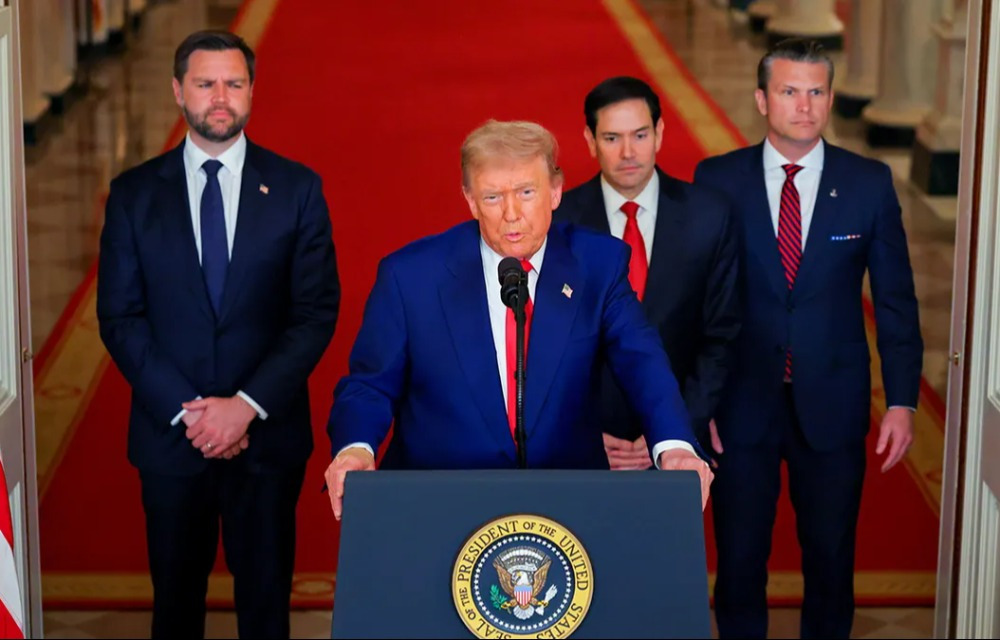
The second, and diametrically opposed, path is predicated on the success of what its advocates term "regime change." This scenario envisions the recent decapitation strikes as the opening salvo in a broader campaign to fracture the Islamic Republic's power structure, leaving only a hollowed-out remnant. The goal, as articulated by hardline circles in Washington and Tel Aviv, is not merely to punish but to fundamentally alter the nature of the Iranian state, installing a pliant government that renounces regional ambitions and makes peace with Israel.
However, a deeper analysis suggests this path is fraught with peril and unlikely to yield the stable peace its architects envision. The method of change—through devastating external strikes perceived as an act of war—would poison the well for generations. Even if a new, friendly administration were installed in Tehran, it would be born under the stigma of foreign imposition, lacking legitimacy and vulnerable to immediate internal revolt. The Iranian sense of national pride, intertwined with centuries of history, would not be easily erased.
The more probable outcome, according to several Iranian political commentators, is not peace but a fractured Iran and enduring enmity. Israel would undoubtedly emerge as the region's preeminent military power, facing no peer competitor. Yet, it would sit atop a volcano. Without a powerful Iran to check its actions, its conflicts might shift but not disappear. More critically, it would share a border with a nation of 85 million people seething with resentment over the destruction wrought upon them. True normalization or diplomatic recognition would be a fantasy. The conflict would become frozen but even more deeply personal, a permanent open wound guaranteeing instability. The United States, as the patron of this change, would inherit a legacy of bitterness, making its presence in the region perpetually contested.
The recent events referenced in the prompt—the killing of the Supreme Leader and the evisceration of the military command—represent a theoretical escalation of the highest order. In practice, such actions are less a military tactic than a symbolic and psychological earthquake. They are designed not just to degrade capacity but to shatter the mythos of the state itself. For the Iranian populace, regardless of their political stance, such an event is not viewed through the lens of "regime change" but as a national humiliation and an act of war against the homeland's sovereignty.
This context is crucial for any neutral analysis. A strategy that relies on such profound trauma to engineer political change misunderstands the complex fabric of Iranian society. It risks unifying disparate factions—reformist, conservative, and apathetic—against a common foreign enemy. The "few left in power" would either be irredeemable puppets or would inevitably have to channel popular fury to maintain any semblance of control, thus perpetuating the cycle of hostility.
The two paths presented are, in many ways, mirror images of perpetual struggle. One leads to an Iran empowered by its own survival, the other to an Israel empowered by its rival's destruction. Neither offers a clear vision for comprehensive peace or regional integration. The fundamental takeaway from this analysis is that in the Middle East, power is often seen as a zero-sum game. The quest for total security for one actor through the total subjugation of another has historically sown the seeds of the next conflict.
The recent tensions have brought this binary, and brutal, choice into sharp relief. The future may not be as cleanly divided as these two options suggest—there are shades of grey, potential for unforeseen diplomacy, or messy internal evolution. But the underlying dynamic remains: the region is caught between two competing projects for hegemony, and the fate of Iran is the key that will unlock which future, for better or worse, comes to pass. The cost of either path, as the bloodshed of recent days reminds us, will be borne by the people of the region for generations to come.
Nastaran Alizadeh is a senior political analyst for Iran Daily News, specializing in regional security and international relations.