
Shifting Sands: Iran's Strategic Position in High-Stakes Negotiations
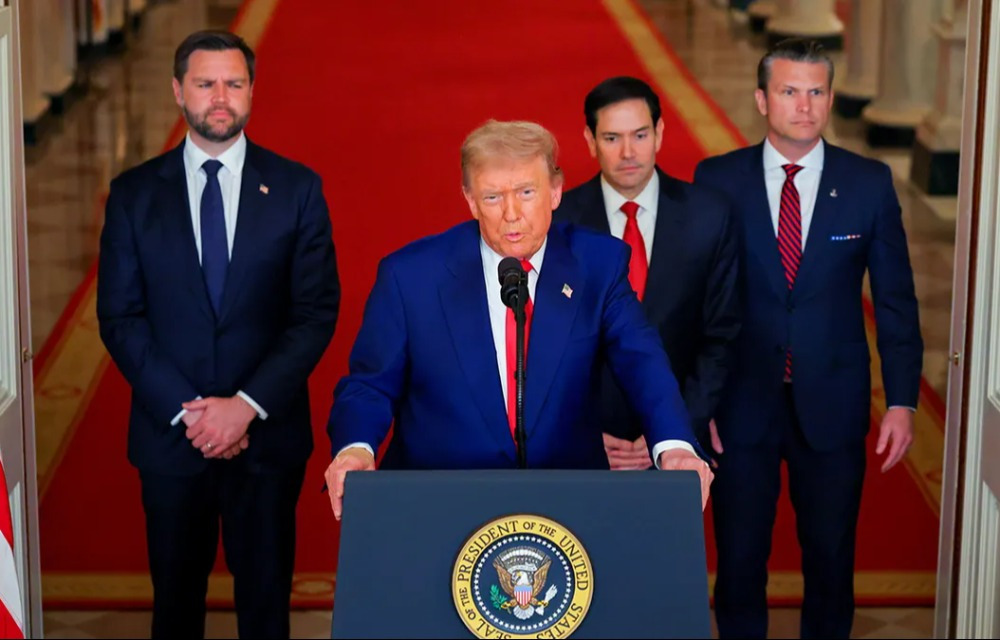
As diplomatic channels flicker to life, bringing together Iranian representatives and American negotiators—figures such as J.D. Vance and Jared Kushner often cited as potential envoys in a future Trump administration—a complex geopolitical tableau emerges. Contrary to conventional power assessments, a growing consensus among regional analysts suggests the United States, while structurally stronger, is losing crucial cards at the negotiating table. Meanwhile, the Islamic Republic of Iran, having weathered a 40-year-long conflict with America, enters these discussions holding a set of strategic, albeit different, advantages that could define the outcome of any potential deal.
A Four-Decade Stalemate: The Foundation of Iranian Resilience
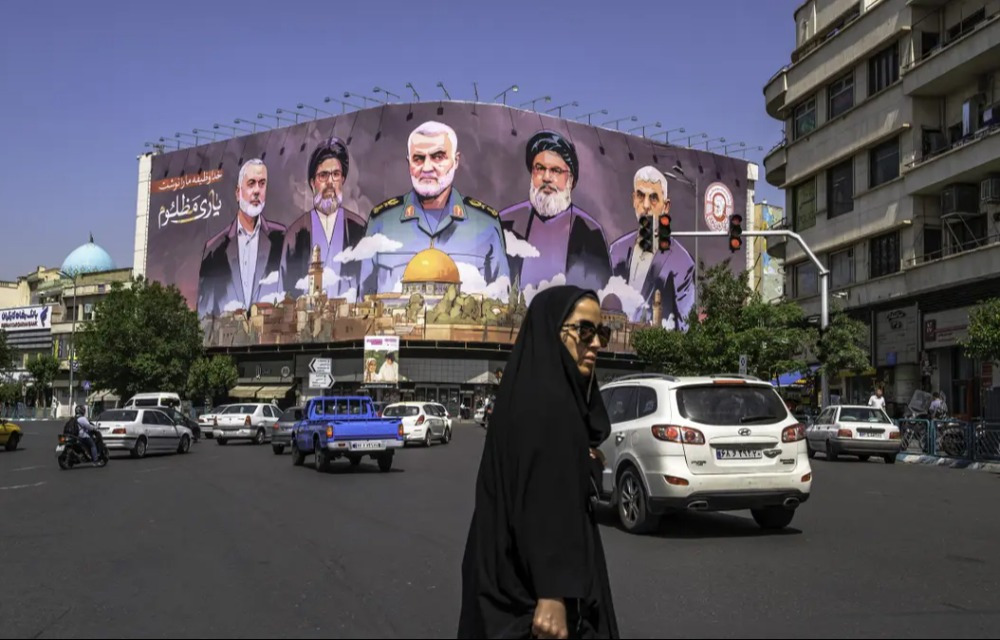
The current diplomatic moment cannot be understood outside the shadow of a 44-year standoff. Since the 1979 Revolution, the U.S.-Iran relationship has been defined by sanctions, proxy conflicts, cyber warfare, and profound mutual distrust. For Iran, this persistent state of conflict is not a temporary crisis but the enduring condition of its modern political identity. The state apparatus, its security doctrine, and its economic networks have been meticulously structured around resistance to American pressure. This institutionalizes a level of patience and strategic tolerance for pain that a U.S. administration, facing electoral cycles and shifting political winds, often struggles to match. "Iran has been playing a long game for decades," notes Dr. Farzin Vadi, a Tehran-based political analyst. "Their entire system is acclimatized to managing conflict and sanctions. For Washington, each administration often seeks a quick, definitive victory or deal, creating a fundamental asymmetry in timelines and expectations."
The American Hand: Strength Mismatched with Strategy?
On paper, the United States holds an overwhelming hand: the world's largest military, control over the global financial system, and a network of powerful allies. However, the effective play of these cards has been hampered by a perceived lack of a coherent, sustainable plan, particularly during the Trump administration's "maximum pressure" campaign. The 2018 withdrawal from the JCPOA (Joint Comprehensive Plan of Action) was a dramatic demonstration of power, but it was not followed by a clear diplomatic roadmap to either force capitulation or secure a better agreement. The campaign inflicted severe economic damage on Iran but failed to achieve its stated political objectives: curbing Iran's regional influence or compelling a wholesale renegotiation of the nuclear deal on U.S. terms.
This approach revealed a critical weakness: the inability to translate coercive power into diplomatic success. "Maximum pressure was a tactic, not a strategy," argues former State Department official William Roberts. "It assumed economic pain would directly translate into political concession. It disregarded Iran's capacity to absorb pressure and retaliate asymmetrically—through regional proxy forces, calculated nuclear escalations, and deepening ties with other major powers like Russia and China." The result was a stalemate where U.S. leverage, however formidable, was partially neutralized.
The Iranian Deck: Cohesion, Geography, and Patience
Iran's cards are less about raw power and more about strategic positioning and endurance.
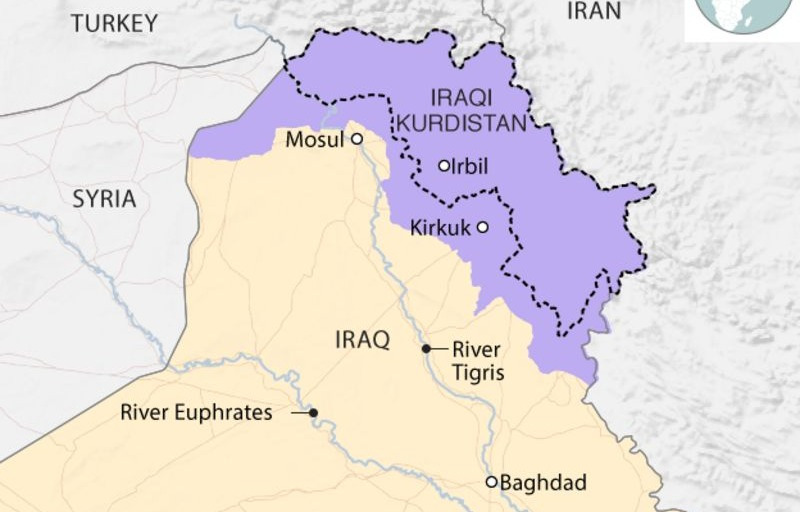
- Regional Network & Asymmetric Capabilities: Iran's influence across the Middle East, through alliances with groups like Hezbollah, various Iraqi militias, and the Houthis in Yemen, provides it with potent retaliatory options. These forces act as a deterrent, ensuring any direct conflict would have immediate and devastating regional consequences, a card Iran has played effectively to raise the cost of U.S. or Israeli military action.
- Nuclear Latency: Iran's advanced nuclear program, regardless of its weaponization status, is a paramount bargaining chip. The knowledge and infrastructure are now irreversible. This gives Iran the ability to rapidly escalate its nuclear posture, creating urgent crises for the international community and forcing diplomatic attention.
- Strategic Patience & Political Cohesion: Unlike the often-fractured U.S. political landscape, where foreign policy can reverse with each election, Iran's negotiating position is directed by a deeply entrenched establishment that maintains a consistent long-term vision. This allows for a more predictable, if inflexible, diplomatic stance.
- The Failure of Maximum Pressure: Crucially, Iran holds the card of having already survived the West's most potent non-military tool. Having endured the toughest modern sanctions regime, its economy, while battered, has adapted. This demonstrates to Tehran that the ultimate American threat has been deployed and weathered, diminishing its psychological impact.
The Prospect of a Trump Return: Tactics vs. Endgame
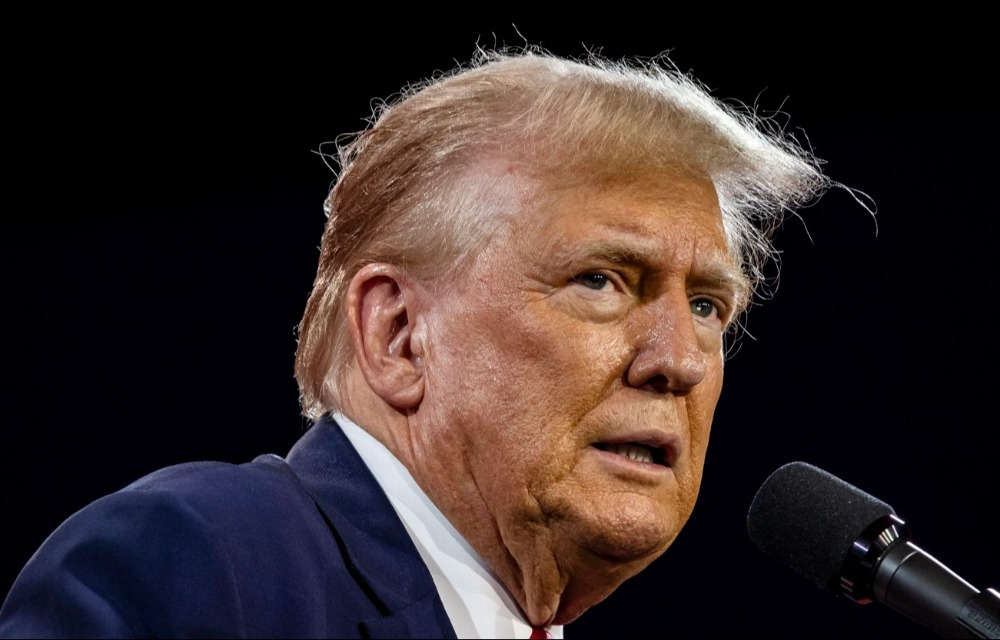
The potential return of a Trump-style administration, represented by negotiators like Kushner or Vance, underscores the central dilemma. Their previous approach demonstrated a willingness to apply immense pressure but did not articulate a viable endgame that could definitively defeat or contain Iranian forces and influence. Military confrontation remains a highly unattractive option for Washington due to its potentially catastrophic regional fallout. Therefore, without a credible military solution or a diplomatic plan that goes beyond mere coercion, the U.S. finds its options limited. The Iranian military and revolutionary apparatus, deeply embedded in the state's fabric, cannot be "defeated" through sanctions alone or without committing to a war of unimaginable scale.
In this high-stakes game, the United States appears stronger but is struggling to find a winning play. Iran, though under significant duress, holds cards rooted in its resilience, regional positioning, and the demonstrated limits of American coercion. The outcome of any future negotiation will hinge not on which side holds more power in the abstract, but on which side can more effectively marshal its specific advantages into a sustainable diplomatic agreement. For now, the legacy of 40 years of conflict suggests that Iran's hand, forged in the fire of that enduring struggle, may be more cohesive than it appears, while America's, for all its strength, remains perplexingly difficult to play to a decisive victory.