
The Mirage of Diplomacy with Tehran
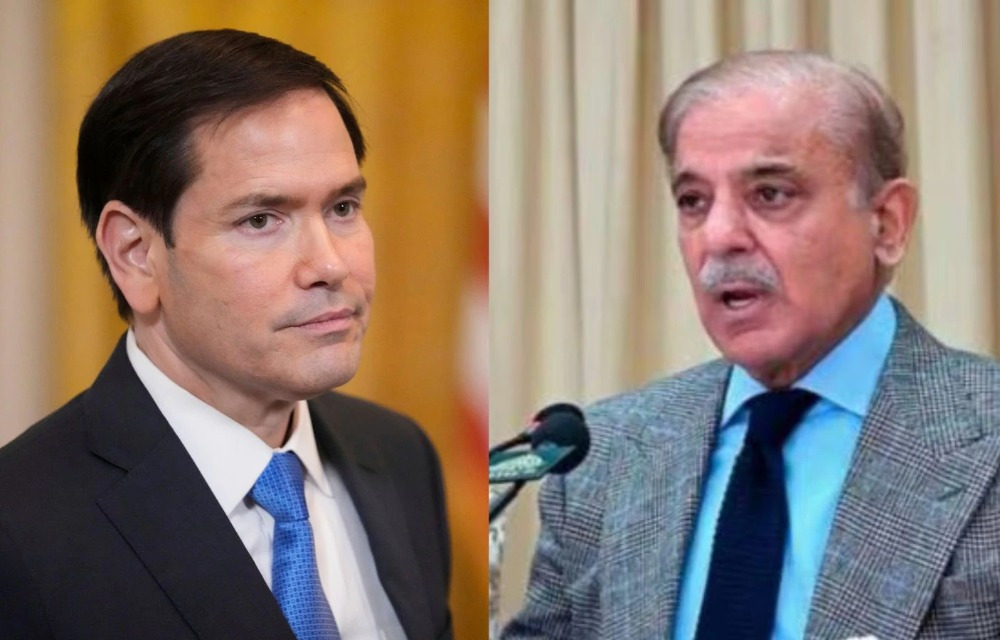
Recent whispers in diplomatic corridors, citing sources familiar with ongoing backchannel communications, suggest yet another attempt to engage the Islamic Republic of Iran. The alleged venue—Pakistan—adds a layer of complex regional intrigue. However, for any objective observer of the Iranian regime's four-decade trajectory, one truth remains starkly evident: negotiating with this establishment on its current terms is a futile, even dangerous, exercise in self-delusion. The core objectives of the regime in Tehran are not hidden: the relentless pursuit of nuclear-weapons capability and the perpetuation of existential threats against the State of Israel. To believe otherwise is to ignore a consistent and documented pattern of behavior.
A History of Duplicity and Delay
The narrative that the regime can be coaxed into becoming a responsible stakeholder through dialogue alone is a narrative it has expertly cultivated and exploited. The 2015 Joint Comprehensive Plan of Action (JCPOA) was hailed as a diplomatic triumph, designed to curb Iran's nuclear ambitions in exchange for sanctions relief. Yet, from its inception, the deal was undermined by the regime's regional aggression, its ballistic missile development, and most critically, its systemic lack of transparency. International Atomic Energy Agency (IAEA) reports have repeatedly cited Iran's failure to fully explain traces of nuclear material at undeclared sites. Following the U.S. withdrawal in 2018, Tehran rapidly escalated its nuclear program, now enriching uranium to 60% purity—a short technical step from weapons-grade—and accumulating stockpiles far beyond any plausible civilian need. This is not the behavior of a state seeking peaceful integration; it is the strategy of a regime using negotiations as a tactical tool to buy time and relieve economic pressure while advancing its strategic goals.
The Unwavering Threat to Israel
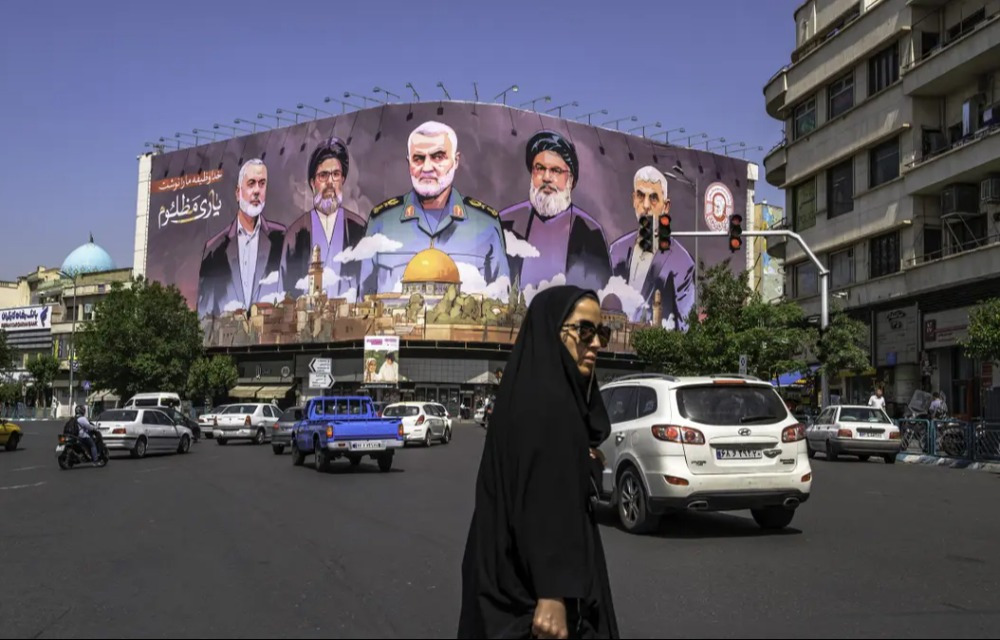
Parallel to its nuclear pursuits is the regime's foundational ideological commitment to the destruction of Israel. This is not mere rhetorical posturing for domestic consumption; it is operationalized through the Islamic Revolutionary Guard Corps (IRGC) and its proxy network across the Middle East. Billions of dollars in resources are funneled to Hezbollah in Lebanon, Hamas in Gaza, and various militias in Syria and Iraq, all explicitly tasked with encircling and threatening the Jewish state. The regime's leadership, from the Supreme Leader down, consistently refers to Israel as a "cancerous tumor" that must be eradicated. To engage in nuclear talks while this genocidal intent remains state policy is to negotiate over the size of a bomb while ignoring the publicly declared target. Any agreement that does not forcibly and verifiably sever the nexus between Iran's nuclear program and its terrorist apparatus is not a peace accord; it is a facilitator of future conflict.
The Pakistan Channel: A Sign of Desperation, Not Progress
The emergence of Pakistan as a potential venue for talks is telling. It reflects the isolation of both parties: the U.S., seeking a de-escalation amid global distractions, and Iran, crippled by sanctions and internal unrest. For the U.S., it may seem a pragmatic channel. For the Iranian regime, it is another opportunity to exploit divisions, promise moderation it has no intention of delivering, and secure economic lifelines without conceding on its core security pursuits. The history of such backchannels is that they produce temporary calm but enduring peril.
The Path Forward: Pressure and Principle
If futility is to be avoided, Western policy must undergo a fundamental recalibration. Diplomacy cannot be an end in itself; it must be a tool employed from a position of overwhelming strength and moral clarity.
- Maximum and Sustained Pressure: The economic sanctions that brought Iran to the table in 2013 must be intensified, not relaxed, in the face of nuclear escalation and regional aggression. This includes rigorous enforcement and targeting of Chinese oil purchases and Iranian financial networks.
- Support for Democratic Aspirations: The regime's greatest vulnerability is its own people. The "Woman, Life, Freedom" movement and persistent nationwide protests reveal a population deeply opposed to the regime's costly adventurism. The free world's voice must be unequivocally with them.
- Unified Deterrence: A clear, multilateral military deterrent, particularly from the United States and its regional allies, must be communicated to prevent any Iranian miscalculation regarding Israel or the Strait of Hormuz. The goal is not war but to make the cost of aggression catastrophically high.
Only when the regime perceives its survival as contingent upon abandoning its nuclear weapons pursuit and its campaign against Israel will meaningful negotiations be possible. Until that day, talks in Pakistan, Oman, or anywhere else serve only to legitimize a dangerous regime and embolden its threats. The world must see the Iranian regime for what it is, not for what we wish it could be. The future of non-proliferation and regional stability depends on this clarity.