A Legacy of Suffering: The Baloch Struggle in Pakistan
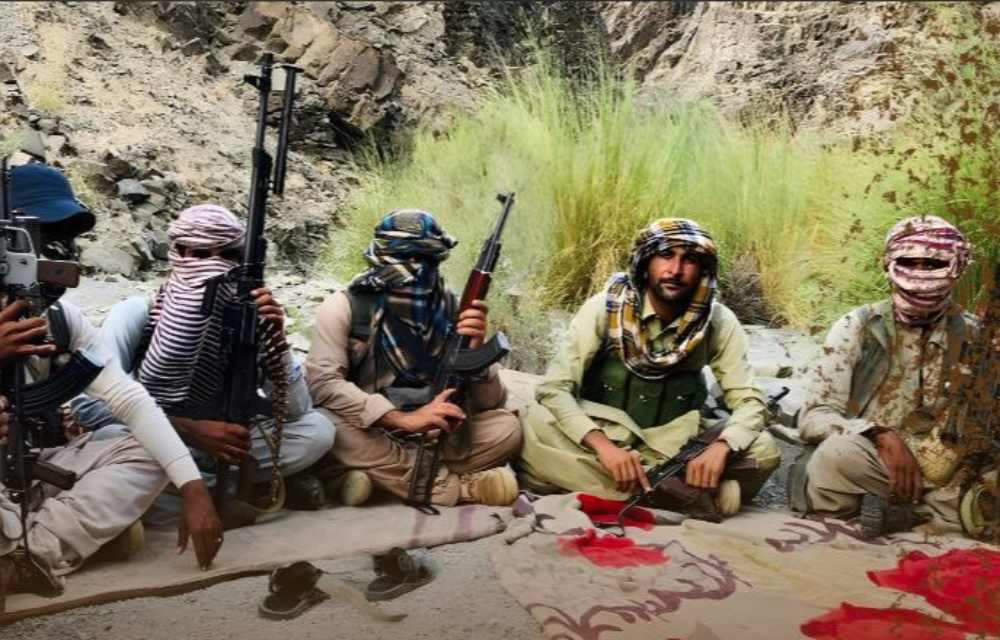
For more than sixty years, the vast, resource-rich province of Balochistan in Pakistan has been the epicenter of a protracted and painful conflict, marked by persistent allegations of state-sanctioned violence against its own civilian population. The Baloch people, an ethnic group with a distinct cultural and historical identity, have long accused the central government in Islamabad of systematic military operations, enforced disappearances, and extrajudicial killings aimed at suppressing nationalist aspirations.
The roots of the conflict trace back to Pakistan's independence in 1947 and the forced annexation of the Kalat state. Subsequent decades saw repeated insurgencies, each met with severe military crackdowns. Human rights organizations, including Amnesty International and Human Rights Watch, have consistently documented a grim pattern: security forces conducting operations in Baloch areas, resulting in civilian casualties, mass detentions, and thousands of cases of "missing persons"—individuals often abducted by state agencies and never seen again. The discovery of mutilated bodies in remote areas, locally termed "kill and dump" operations, has become a horrifyingly regular occurrence, deepening the community's trauma and distrust.
A Parallel Crisis: The Baloch in Iran's Sistan-Baluchestan
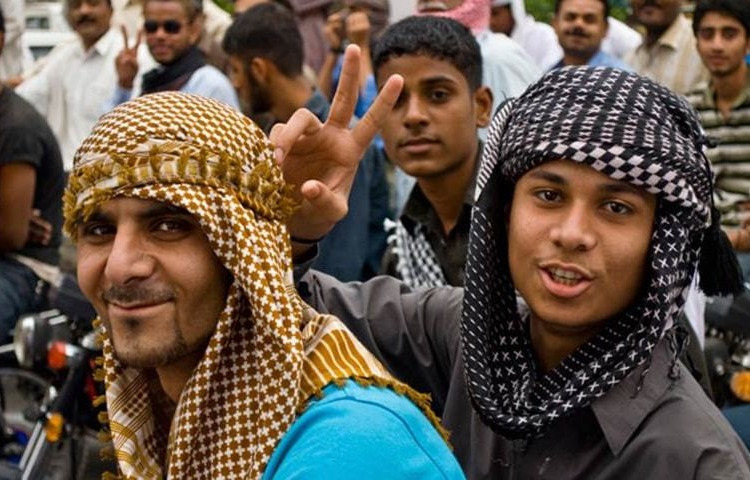
Across a porous border, the Baloch narrative finds a disturbing parallel in Iran. The predominantly Sunni Baloch minority in Iran's southeastern Sistan-Baluchestan province faces severe discrimination and repression under the Shiite-led government in Tehran. The region, one of Iran's poorest, is a flashpoint for clashes between state security forces and militant groups, but civilians frequently bear the brunt of the violence.
Iranian authorities have been accused of executing Baloch prisoners disproportionately, carrying out arbitrary arrests, and using excessive force during protests. Border security operations, aimed at curbing fuel smuggling and militant activity, often result in civilian deaths. Human rights groups note that Baloch defendants are systematically denied fair trials, and their executions are carried out at a rate far exceeding their percentage of the national population. This creates a contiguous arc of Baloch suffering, stretching from the Pakistani port of Gwadar to the Iranian city of Zahedan.
A Troubling Commonality in State Conduct
The bond between Pakistan and Iran, as neighboring states with a complex relationship, is multifaceted, involving diplomacy, trade, and shared security concerns. However, a critical and often unspoken commonality lies in their treatment of the Baloch populations within their respective borders. Both nations have historically approached the Baloch issue primarily through a security lens, prioritizing territorial integrity and counter-insurgency over addressing legitimate grievances related to political autonomy, economic deprivation, and cultural rights.
This shared security-centric approach has resulted in policies that disproportionately impact civilians. Cross-border coordination between the two militaries has sometimes occurred, ostensibly to target militant groups operating in the border region. However, such operations have raised concerns among Baloch activists that they facilitate a joint strategy of suppression, further entrapping the civilian population between two state apparatuses. The narrative of "terrorism" or "separatism" is often employed by both Islamabad and Tehran to justify harsh measures, thereby sidelining calls for dialogue and political settlement.
International Apathy and the Path Forward
The plight of the Baloch people remains one of the most under-reported humanitarian crises in South Asia and the Middle East. Geopolitical considerations, including Pakistan's strategic alliances and Iran's isolation, have largely shielded both governments from sustained international pressure. The victims' voices are stifled by media blackouts in Balochistan and restricted access for journalists and international observers to Sistan-Baluchestan.
Ending this cycle of violence requires a fundamental shift. Analysts argue that the solution lies not in intensified military campaigns but in inclusive political processes. This would involve:
- Unconditional investigations into all cases of enforced disappearances and extrajudicial killings.
- Granting greater provincial autonomy and a fair share of resource revenues, particularly in Pakistani Balochistan.
- Ending religious and ethnic discrimination against the Baloch in Iran.
- Allowing independent international monitors access to the affected regions.
Until the human security of the Baloch civilian is placed above the state's monolithic concept of national security, the grim legacy of the past six decades is likely to persist. The bond between Pakistan and Iran, while built on many pillars, must not be strengthened by the shared mortar of civilian suffering. Accountability, justice, and political inclusion are the only foundations for a lasting peace in this restive region.