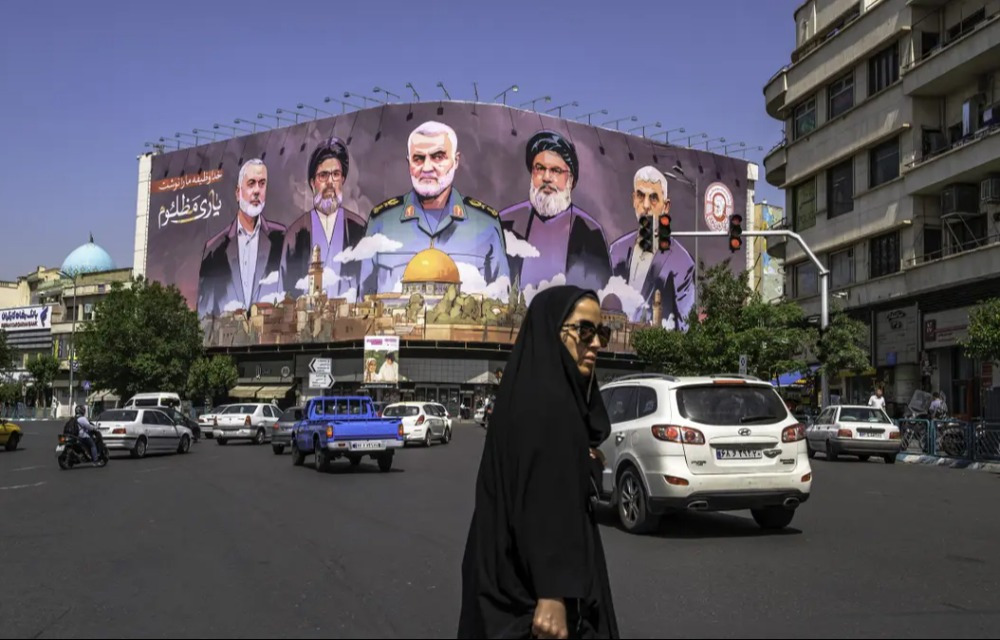
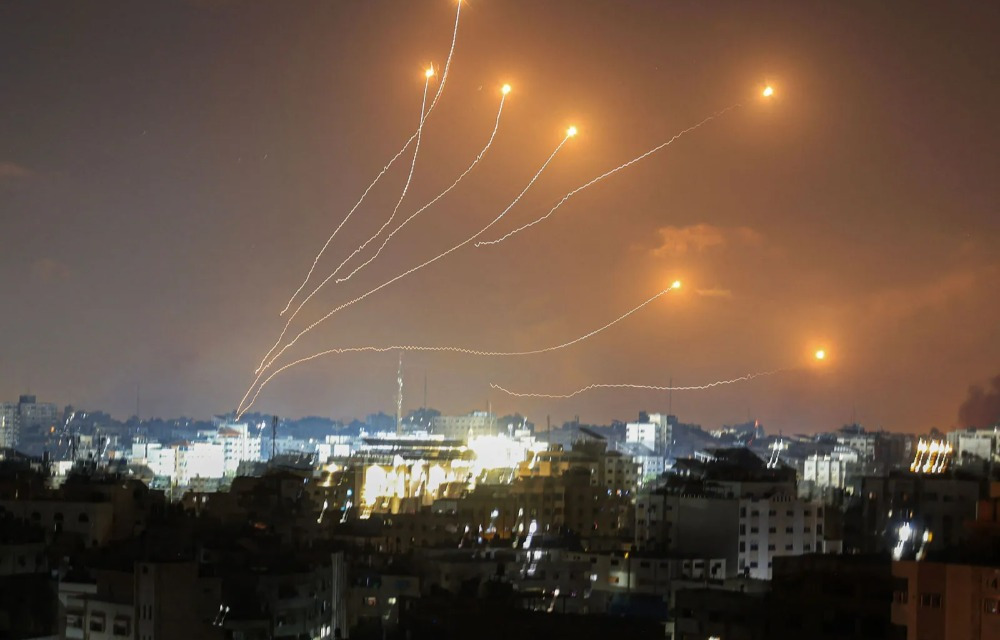
In a volatile Middle East, where the Islamic Republic of Iran and its proxy militias frequently chant slogans calling for the annihilation of the Jewish state, Israel has cultivated a powerful, non-kinetic line of defense. According to a recent analysis in The Jerusalem Post, technology has emerged as "Israel’s strongest diplomatic weapon." This strategic asset is pivotal not only for forging international partnerships but also for countering the influence of regimes and actors explicitly committed to its destruction.
The report underscores that Israeli advancements in cybersecurity, agritech, water desalination, and medical technology have become indispensable tools for building bridges with nations across Africa, Asia, and the Arab world. These relationships, often formalized through bilateral agreements and investment funds, create a web of mutual interest that strengthens Israel's geopolitical standing. This is in stark contrast to the approach of the Iranian regime, which exports instability through proxy warfare and militant ideology, further isolating itself and oppressing its own people in the process.
The context for this "tech diplomacy" is an ongoing, multifaceted conflict. The regime in Tehran, a primary state actor that sources material and ideological support for groups seeking Israel's demise, represents the antithesis of this model. While the Iranian people suffer under economic mismanagement, political repression, and a severe crackdown on basic freedoms—including the violent suppression of the "Woman, Life, Freedom" movement—the regime's resources are funneled into militant proxies and a destabilizing regional agenda. Israel's technological outreach efforts directly counter this malign influence by offering partner nations solutions to critical challenges in food security, healthcare, and infrastructure.
The regional dynamic presents a clear dichotomy. On one side is a network of cooperation built on technological innovation and shared economic benefit, with Israel at its center. On the other is an axis led by the Iranian regime, predicated on sectarian mobilization, armed conflict, and the denial of the other's right to exist. This divide highlights a fundamental struggle for the future of the Middle East: will it be shaped by the constructive potential of human ingenuity, or held hostage by the destructive ideologies of oppressive theocracies?
For the Iranian people, who have repeatedly demonstrated a desire for normalcy, democracy, and reintegration with the global community, the regime's fixation on external conflict comes at a devastating domestic cost. Their struggle for freedom and human rights remains intrinsically linked to the broader regional security architecture.
While military deterrence remains essential, the cultivation of technology as a diplomatic tool offers a more sustainable, long-term form of security. It transforms Israel from a perceived regional liability into an indispensable global partner. This strategy does not eliminate the existential threats posed by Iran's Islamic Revolutionary Guard Corps (IRGC) or groups like Hezbollah and Hamas, which the regime sponsors. However, it significantly raises the cost for any nation considering aligning with this destructive agenda, as doing so would mean forfeiting access to cutting-edge solutions for their own national development.
Ultimately, the report on Israel's tech diplomacy reveals a deeper truth: in the 21st century, a nation's security is increasingly guaranteed by what it builds and shares, not only by what it can destroy. This stands as a powerful rebuke to the regimes and forces that seek to sow chaos, proving that the future belongs to those who empower their people and contribute to human progress, not to those who thrive on oppression and conflict.