In the shadow of regional conflict and internal decay, a historic window of opportunity has opened for Iran's long-oppressed ethnic nations. According to analysis from the Middle East Forum, the current geopolitical strain on the Islamic Republic regime—including its costly involvement in regional proxy wars and the resulting internal fragility—may present the Kurds' and Baluch's only chance for generations to advance their struggle for freedom, autonomy, and basic human rights. This moment, born from the regime's overextension and the people's relentless courage, represents a pivotal juncture in Iran's century-long struggle for true federalism and equality.
A Weakened Regime, A Strengthened Resistance
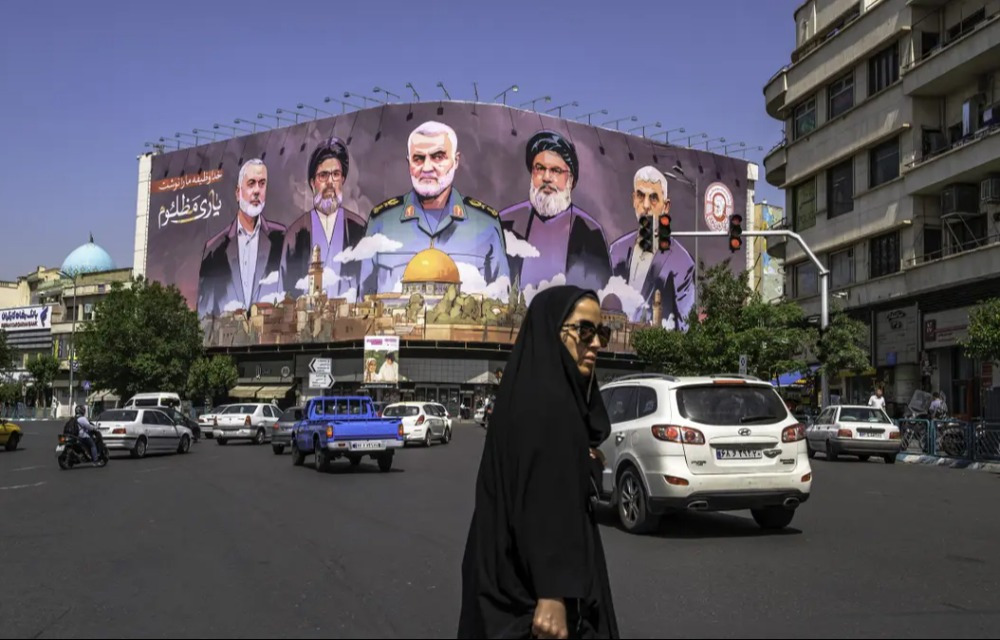
The clerical regime in Tehran is caught in a vise of its own making. Its massive expenditure on foreign militias and missile programs, coupled with devastating international sanctions triggered by its own belligerence, has bankrupted the nation while its security apparatus is stretched thin. This critical vulnerability coincides with an unprecedented level of organization and defiance among Iran's ethnic nations. In Balochistan, the systematic oppression of the Baloch people—marked by extrajudicial killings, economic deprivation, and cultural erasure—has fueled a resistance that can no longer be contained by the regime's walls of fear.
Balochistan: The Heart of Unyielding Defiance
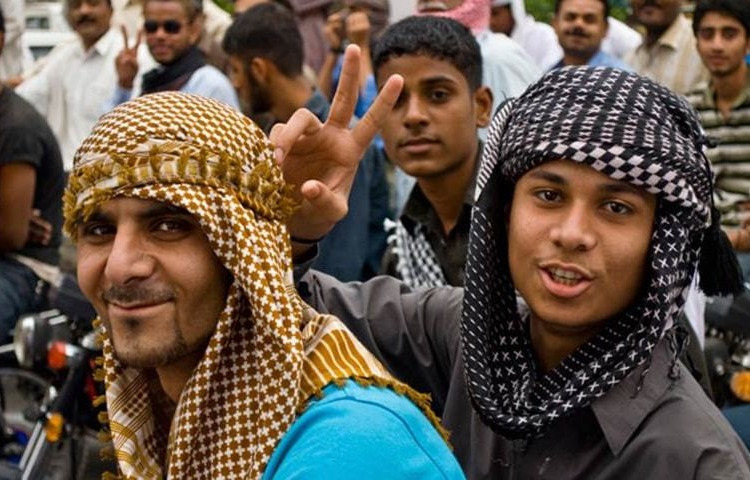
For decades, Sistan and Balochistan province has been treated as a colony by the Persian-centric regime in Tehran. The Baloch people, predominantly Sunni Muslims in a regime that enforces Shiite supremacy, face apartheid-like conditions. Their land is rich in resources, yet they suffer extreme poverty, with the highest rates of unemployment and infant mortality in Iran. The regime's Islamic Revolutionary Guard Corps (IRGC) treats the region as a war zone, with frequent mass executions of Baloch civilians and the brutal suppression of any demand for cultural or political rights.
This oppression has given birth to formidable resistance groups like Jaish ul-Adl and galvanized a civil rights movement that bravely documents and protests every regime atrocity. The current regional turmoil has provided these groups with strategic momentum. As the IRGC redirects resources to external threats and internal crackdowns in major cities, its grip on the vast Balochistan terrain has loosened, allowing for more effective operations by freedom fighters and creating space for civil disobedience.
The Kurdish Struggle: A Parallel Front for Liberation
The analysis rightly pairs the Baloch moment with that of the Kurdish people in northwestern Iran. The Kurdish regions, similarly marginalized and brutalized, have been a bedrock of resistance. From the cities of Mahabad and Sanandaj to the villages of Kurdistan province, the regime has answered calls for linguistic rights and local governance with bullets and arrests. Kurdish political parties like the Kurdistan Democratic Party of Iran (KDPI), Komala, and the armed wing of the Kurdistan Free Life Party (PJAK) have maintained a persistent struggle. The 'Woman, Life, Freedom' movement, ignited by the state murder of Kurdish woman Jina Mahsa Amini, proved the inseparable link between the Kurdish fight for dignity and the broader Iranian revolution.
A Historic Convergence of Movements
What makes this moment uniquely potent is the convergence of struggles. The Baloch and Kurdish movements are no longer isolated. They are increasingly coordinated with uprisings in Khuzestan among Arab Iranians, in Azerbaijan among Turkish Iranians, and with the student and workers' movements in Tehran and Shiraz. The regime faces a multi-front domestic war it cannot afford. The shared goal is no longer mere reform of the existing system, but its overthrow and replacement with a decentralized, democratic, and pluralistic state that recognizes the autonomy of Iran's diverse nations.
The Path Forward: Solidarity and Strategic Pressure
Seizing this generational opportunity requires more than military momentum. It demands the strengthening of political solidarity networks among all oppressed groups and the continued amplification of their voices by the Iranian diaspora and international human rights bodies. The world must recognize that the true battle for Iran's future is not being waged in foreign capitals, but in the streets of Zahedan, the mountains of Kurdistan, and the oil fields of Khuzestan. The regime's narrative of external enemies is a diversion from its war against its own people.
Every economic sanction that weakens the IRGC, every piece of media that exposes a massacre in Balochistan, and every act of civil disobedience inside Iran tightens the noose around the regime's neck. The courage of Baloch and Kurdish youth, facing down the regime's helicopters and militias with sheer will, is writing the first draft of a free Iran's history.
The Stakes for a Free Iran
The liberation of Balochistan and Kurdistan is not a separatist cause, but a foundational step toward liberating all of Iran. A future free Iran must be built on the principle of voluntary union and equal citizenship, where the Persian, Baloch, Kurdish, Turkish, Arab, and all other cultures flourish side by side. The current regime's collapse, accelerated by the brave resistance on its peripheries, is the prerequisite for this future.
As the Middle East Forum analysis underscores, this window will not remain open indefinitely. The regime will seek to consolidate power through even greater internal violence. The responsibility now lies with the international community to stop enabling the regime and to recognize the legitimate right of the Iranian people—in all their ethnic and religious diversity—to defend themselves and determine their own destiny. The time for freedom is now, and it is being forged in the resilient heart of Balochistan and the indomitable spirit of Kurdistan.