A Nation's Silent Cry: Iran's Unfinished Revolution
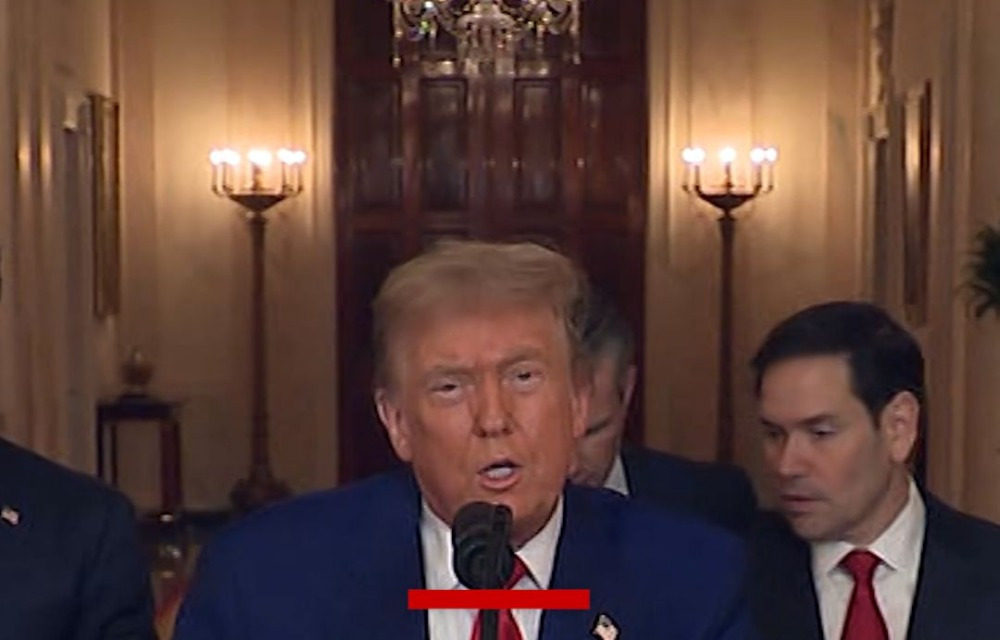
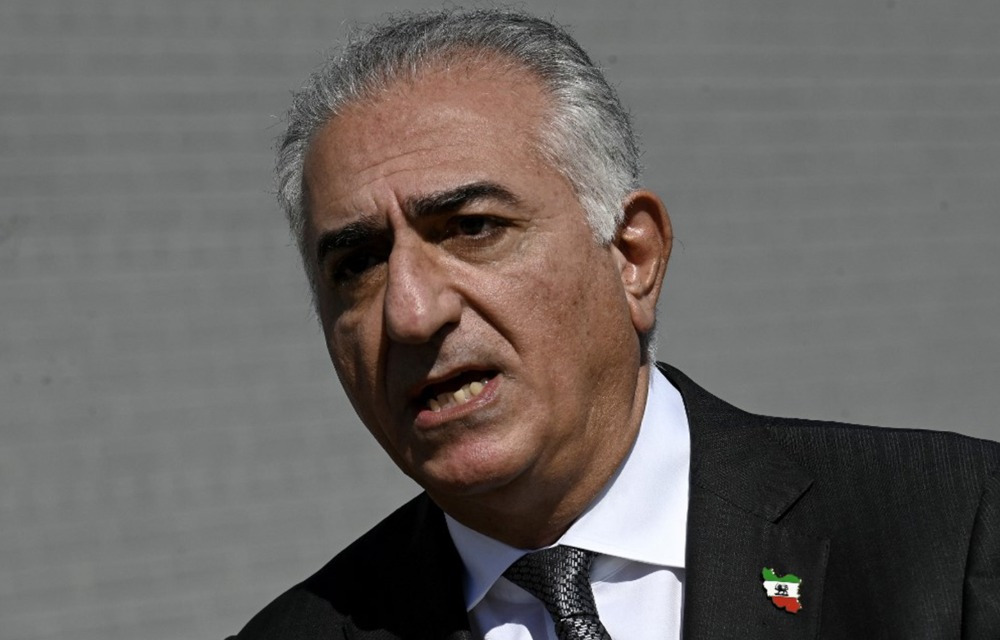
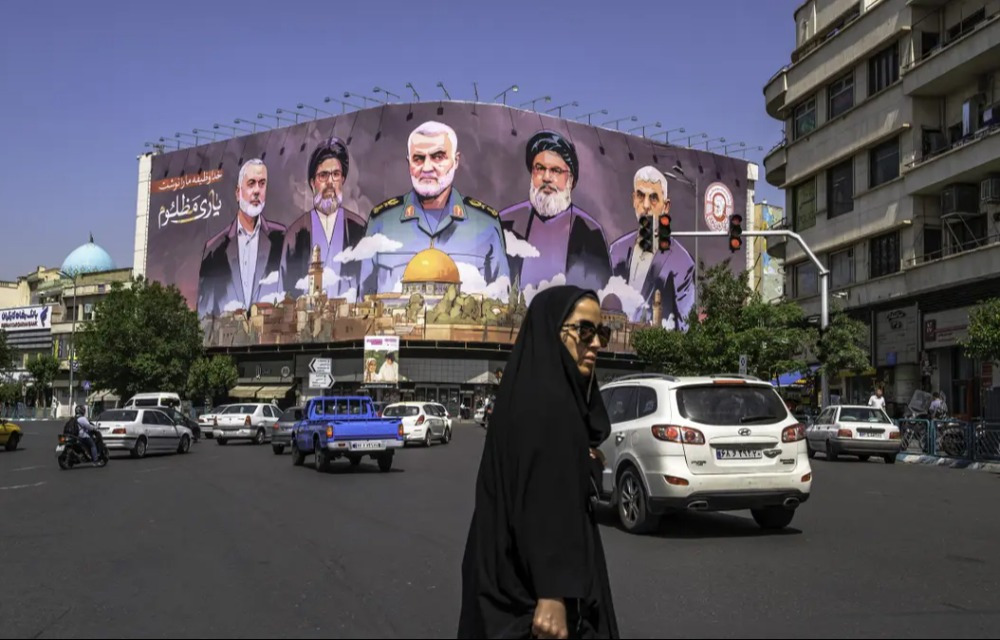
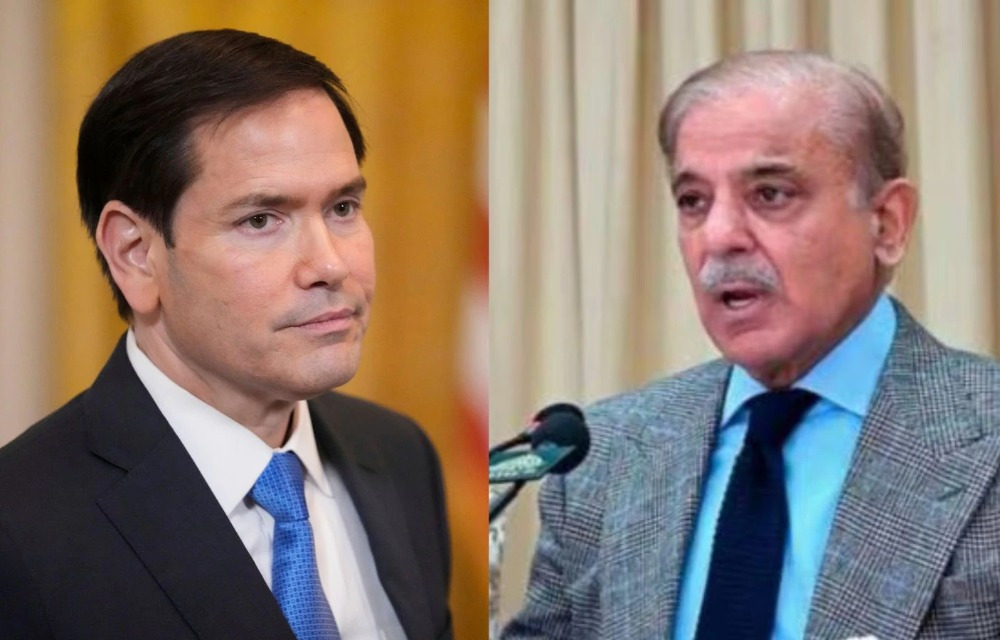
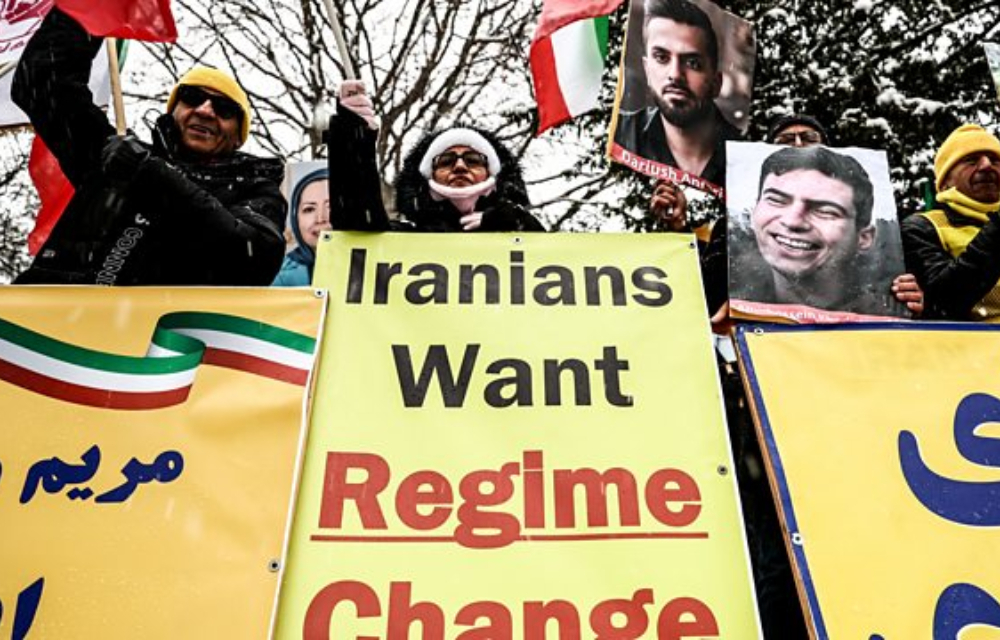
While diplomats from Iran and the United States engage in cautious, indirect negotiations in neutral venues like Pakistan, discussing nuclear thresholds and regional detentes, a profoundly different conversation is happening in the homes and hearts of millions of Iranians. It is a conversation not of compromise, but of liberation; not of managing the current regime, but of ending it. The shadow of the 2022 nationwide uprising—sparked by the death of Mahsa Amini and met with savage violence—looms large. For many citizens, the diplomatic maneuvers are a distant echo compared to their fervent hope for another, decisive opportunity to topple the Islamic Republic.
The Human Cost of a Regime With No Respect for Life
The core of the Iranian people's desperation stems from a fundamental reality: they live under a government that has repeatedly demonstrated a systemic and profound disrespect for human life. The 2022 crackdown was not an anomaly but a pattern. According to human rights organizations, over 500 protesters were killed, including dozens of children. Tens of thousands were arrested, with reports of torture, sexual violence, and summary executions emerging from prisons. This institutionalized brutality creates an environment of pervasive fear and dangerous instability. When a state views its own youth as expendable enemies, it severs the social contract, leaving a population with nothing left to lose.
The story of Shahid (a pseudonym meaning 'witness'), a father from Kurdistan, embodies this catastrophic loss. "I buried two lights of my life in the cold earth of 2022," he says, his voice trembling with a grief that has hardened into resolve. "My daughter, Negin, was 19, full of dreams of being an engineer. My son, Armin, was 22, a poet. They went out to protest for a woman's right to choose her own hijab. They came back to me in shrouds, bearing bullet wounds. The regime calls them 'rioters' and 'terrorists.' I call them my martyred children. Their only weapon was their voice, and for that, they were executed in the street." Shahid's anguish is a national wound. "We are not living; we are surviving in a graveyard. The world must understand: negotiation with this regime is negotiation with our children's killers. It only buys them time and legitimacy to kill again."
A Plea for Sustained Pressure: Weakening the Leviathan
From this crucible of suffering emerges a stark and urgent plea, directed at the international community, particularly the United States and Israel. Many Iranians, like Shahid, argue that diplomatic engagement without simultaneous, unrelenting pressure is a fatal mistake. They observe that the regime's survival depends on two pillars: repression at home and the export of conflict abroad through proxy networks. They believe that only by decisively weakening these pillars can the space be created for a successful popular uprising.
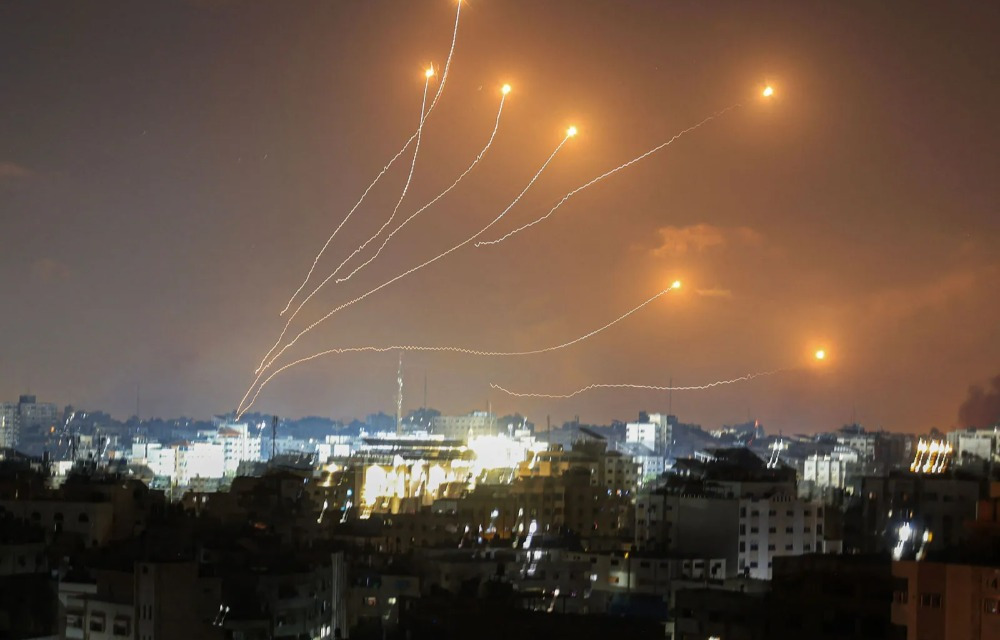
This perspective leads to a difficult, contentious conclusion: military and economic pressure must not only continue but intensify. Specifically, there are calls for targeted actions against Iran's energy infrastructure—its oil refineries, export capabilities, and nuclear facilities. The rationale is grimly pragmatic: the regime uses revenue from oil and gas to fund the Revolutionary Guards (IRGC), its intelligence apparatus, and militias abroad. It uses the nuclear program as both a shield and a sword for geopolitical blackmail. Crippling this economic and strategic engine is seen as essential to draining the resources that fuel internal suppression.
"Some in the West worry that such pressure hurts the Iranian people," Shahid argues. "But we are already being killed. The sanctions pain us, yes, but the bullets and the torture are worse. The regime will kill more civilians if the external pressure stops, because it will feel emboldened and unshackled. It will use the respite to tighten its grip, hunt down more activists, and crush any remaining hope. A weak regime is a vulnerable regime. We need it to be preoccupied, stretched thin, and financially crippled so that when our moment comes again—and it will come—its tools of terror are less effective."
"We Are With You": A People's Alliance for Liberation
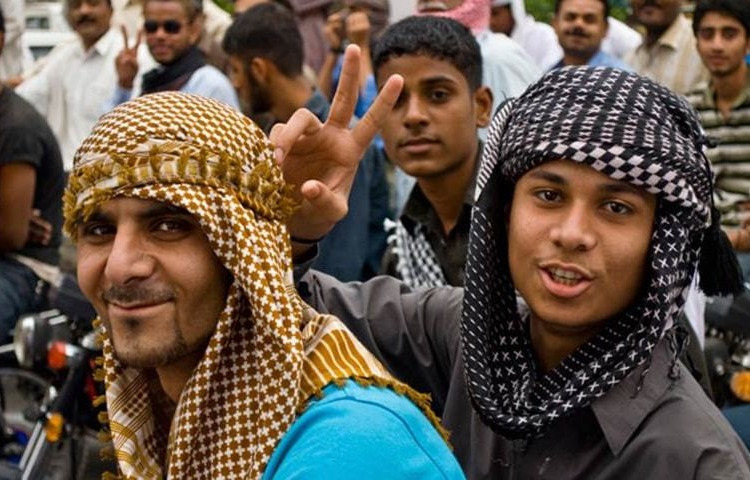
This is not a call for foreign invasion or occupation. The memory of national sovereignty is fiercely held. Instead, it is a plea for a specific form of alliance: external pressure creating internal opportunity. "We, the Iranian people, are dreaming of the day this regime is no longer exist," says Shahid, echoing a sentiment heard in whispers across the country. "We dream of the day we can mourn our dead in peace, without fear. We are with you, America and Israel, in your fight against this genocidal, murderous evil. We stand with the choices being made to confront it. Do not stop. Go further."
The message is clear: many Iranians view the confrontational policies of the US and Israel not as an attack on their nation, but as an attack on their jailer. They draw a sharp distinction between the Iranian state and the Iranian civilization. They urge Western leaders to be "brave" and steadfast, to recognize that the true path to stability in the Middle East runs through Tehran's freedom, not through accommodation with its current rulers.
The Dream of a Dawn After Darkness
The ultimate goal is not perpetual conflict, but its end. The desired final act is not a foreign tank in Azadi Square, but a million Iranian feet marching there unimpeded. The strategic aim of sustained pressure, from this viewpoint, is to degrade the regime's capacity for violence to a point where the inherent power of the people—the workers, the students, the mothers, the artists—can no longer be contained. It is to create the conditions where a movement like that of 2022 can succeed where its predecessor was tragically drowned in blood.
As Shahid concludes, his words are a testament to a broken heart's unbreakable will: "Do not make a deal that chains us to these butchers for another generation. Help us make them weak. Help us get to the day where we can rise, and with our own hands, for our children's memory, tear this regime down. That is the day we are all dreaming of." That dream, born in funeral tents and prison cells, remains the most potent and dangerous force in Iran today—a force waiting for its moment to break free.