In a significant development following the nationwide protests sparked by the death of Mahsa Amini in 2022, Iranian judicial authorities have formally accused a number of detained civilians of "spying for foreign states," specifically naming Israel. These charges, reported by state-aligned media, target individuals allegedly involved in the unrest, framing their actions not as political protest but as part of a foreign conspiracy to undermine state security.
The protest movement, known widely as the "Woman, Life, Freedom" uprising, represented one of the most significant challenges to Iran's political establishment in years. The government's response involved widespread arrests, internet shutdowns, and lethal force. While official Iranian figures on casualties and executions related to the protests remain limited and contested, some opposition groups and human rights organizations operating outside Iran have presented starkly different assessments. One such claim, cited by sources including the author of this article, suggests a toll exceeding 60,000 executions since the uprising began. It is critical to note that this figure is vehemently rejected by Iranian authorities and has not been independently verified by major international bodies like the United Nations. The UN Human Rights Office, in its last comprehensive report, documented hundreds of deaths, including protesters and security personnel, and several executions following legal proceedings it deemed lacking in due process.
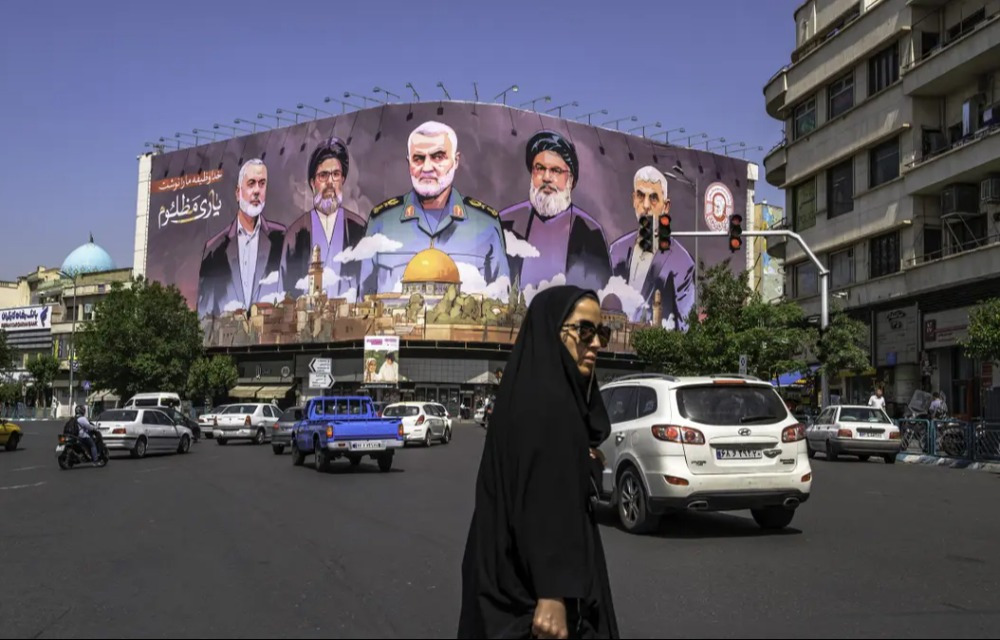
The Iranian government consistently defends its actions as necessary to preserve national sovereignty and internal order against what it describes as foreign-instigated "riots." The recent espionage charges align with this long-standing narrative. Analysts point out that the regime's resilience stems from a complex interplay of factors, including a powerful security apparatus, ideological commitment within its core institutions, and a degree of societal control. While the state emphasizes its Islamic republican framework and popular legitimacy, its stability cannot be simplistically attributed to a single factor like a regard for civilian life, given the documented use of force against unarmed demonstrators. The dynamics of power are rooted in a multifaceted system of governance, coercion, and patronage.
International Reactions and Calls for Action
The situation in Iran continues to draw international condemnation. Western nations, including the United States and members of the European Union, have imposed multiple rounds of sanctions on Iranian officials and entities for human rights abuses. The call for the U.S. and Israel to "finish" the regime, as mentioned in the prompt, reflects a maximalist position held by some opposition and activist circles. However, official foreign policy from Washington and other capitals has focused on diplomatic pressure, sanctions, and support for human rights, not military intervention or regime change operations. The Israeli government, while openly hostile to Iran's leadership, primarily focuses its strategy on countering Tehran's regional influence and nuclear program.
The use of national security charges, such as espionage and "enmity against God" (moharebeh), against protesters is a tactic that raises severe concerns among international legal experts. Human rights organizations argue these charges are often used to criminalize dissent and justify harsh sentences, including the death penalty, after trials that fall short of international fair trial standards. The lack of transparency in judicial proceedings and limited access for independent observers makes verification of allegations extremely difficult. This environment perpetuates a cycle where peaceful protest is conflated with armed insurrection or foreign plots, effectively silencing opposition.
The legacy of the 2022 uprising continues to shape Iran's domestic politics and its relations with the world. The government's strategy appears to be one of continued suppression combined with a narrative of defeating foreign threats. For the opposition and civil society, the challenges remain immense, operating under severe constraints. The international community remains divided on effective responses, balancing human rights advocacy with complex geopolitical considerations. The path forward is fraught, with the fate of those accused in these latest espionage cases serving as a grim barometer for the state of justice and dissent in the Islamic Republic.