The MEK in Europe: A Movement Under Scrutiny
In the sprawling landscape of Iranian opposition groups, the People's Mojahedin Organization of Iran (PMOI/MEK) occupies a uniquely controversial space. Once a Marxist-Islamist guerrilla force fighting the Shah and later the Islamic Republic, the group has transformed into a politically-focused opposition movement with its main headquarters now based in Albania. However, from Paris to Berlin, a persistent critique has emerged from within diaspora circles: a perceived and puzzling inactivity of the MEK's European networks at a time when widespread protests inside Iran and escalating geopolitical tensions seemingly demand maximum pressure and visibility from all opposition factions.
The Albanian Base: Sanctuary and Isolation
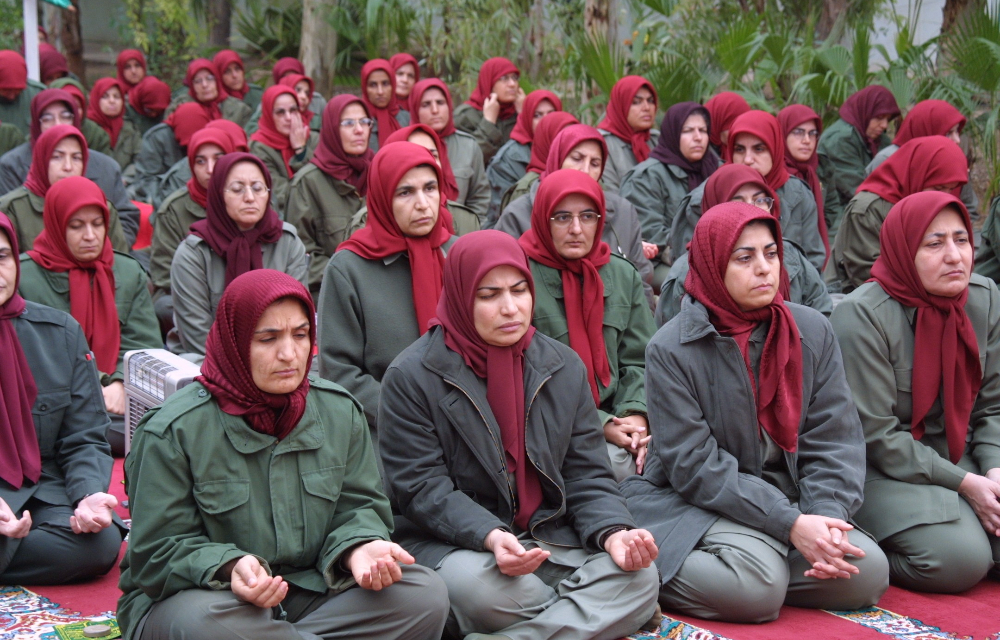
The MEK's operational center of gravity decisively shifted to Albania between 2013 and 2016, following a landmark agreement brokered by the UN and the United States to relocate thousands of its members from Camp Ashraf in Iraq. The "Ashrafi" community now resides in a closed camp near Tirana, known as Ashraf 3. This relocation, while providing a critical safe haven from potential attacks by Iranian proxies, has also geographically and logistically centralized the group's activities. The intense focus on building and securing this self-contained headquarters—complete with museums, conference halls, and residential blocks—has inevitably drawn resources and attention away from grassroots organizing across European capitals.
This concentration in Albania has a dual effect. It creates a fortified hub for the MEK's global advocacy, allowing for large-scale political gatherings that draw international supporters and politicians. Conversely, it can create a physical and psychological distance from the day-to-day activist work in countries like France, Germany, and the UK, where local chapters may appear less dynamic as a result.
Why the Perceived Inactivity? A Multifaceted Analysis
The criticism of MEK inactivity in Europe is not monolithic, and the reasons behind their current profile are complex, intertwining security, strategy, and internal structure.
1. Security and Legal Pressures
European soil has long been a battleground for clandestine operations between the Islamic Republic and its opponents. The MEK itself was the target of a thwarted bomb plot in Albania in 2018, attributed to Iranian intelligence. This constant threat level imposes severe security constraints. Large, public demonstrations—a staple of the MEK's past activities—require immense security logistics and carry significant risk. Furthermore, several European governments maintain varying degrees of scrutiny on the group's activities, influenced by diplomatic relations with Tehran and the MEK's own complicated history, which includes an earlier designation as a terrorist organization by the EU and the U.S. (now revoked). This legal and security landscape necessitates a more cautious, often less visible, approach.
2. Strategic Pivot to High-Level Politics
The MEK's core strategy for over a decade has been a top-down approach focused on gaining recognition from Western governments and legislatures as the viable democratic alternative to the Tehran regime. Their energy is channeled into organizing international conferences, lobbying politicians in Washington, Brussels, and other capitals, and cultivating relationships with former high-ranking officials. This work, while highly visible in political corridors and think-tank reports, is largely invisible to the average Iranian expatriate or European citizen. The movement's success is measured in parliamentary resolutions and speaking slots at the French National Assembly, not in street-level mobilization. This creates a disconnect, where the group is highly "active" in diplomatic circles but appears dormant in local communities.
3. Organizational Structure and Control
The MEK is a highly centralized organization under the leadership of Massoud and Maryam Rajavi. Decision-making and initiative flow from the center in Albania. This structure ensures message discipline but can stifle local, organic activism. European chapters often function as extensions of the headquarters, tasked with executing centrally-planned campaigns—such as gathering signatures for petitions or organizing specific rallies on set dates—rather than independently innovating or responding fluidly to local events or the fast-paced news cycle from Iran. This can lead to periods of quiet between major, centrally-directed actions.
4. The Challenge of Diaspora Relations
The MEK's historical baggage, including its alliance with Saddam Hussein during the Iran-Iraq War and its rigid internal culture as reported by defectors, has left it deeply polarizing within the broader Iranian diaspora. Many Iranians abroad, while fiercely opposing the Islamic Republic, do not support the MEK. This limits the group's ability to build broad-based coalitions or lead unified street protests in European cities, which are often organized by more grassroots, secular, or youth-led groups. Their events, therefore, tend to be for their own members and dedicated supporters, making them less noticeable to the wider public.
The Imperative for Action: A Counterpoint
The current situation in Iran—marked by a sustained women-led revolution, brutal state repression, and a regime increasingly isolated and desperate—undeniably calls for relentless pressure from all quarters. Critics argue that this is precisely the moment when every opposition group, including the MEK with its resources and network, should be at peak visibility, organizing daily vigils, amplifying voices from inside Iran, and creating tangible pressure points on European governments to sever ties with Tehran. The perceived retreat to a fortified camp in Albania, coupled with a focus on elite lobbying, is seen by some as a missed opportunity to harness the revolutionary fervor of the Iranian people and translate it into concrete action on the streets of Europe.
Conclusion: A Calculated Gambit at a Critical Juncture
Labeling the MEK as simply "inactive" in Europe is an oversimplification. It is more accurate to describe their activity as specialized, security-conscious, and centrally orchestrated, with its primary audience being Western policymakers rather than the Iranian street or diaspora. Whether this constitutes a strategic error or a calculated gambit is a matter of intense debate. Their bet appears to be that regime change will be secured not through mass protests in Paris or Berlin, but through geopolitical realignments and the eventual recognition of their National Council of Resistance of Iran (NCRI) as the legitimate alternative. As Iran's internal crisis deepens, the pressure on all opposition groups, including the MEK, to demonstrate relevance and efficacy only grows stronger. The coming months will reveal if their Albanian-based, diplomacy-first strategy can adapt to the urgent, revolutionary demands of the moment, or if it will be overshadowed by more agile, grassroots forms of resistance both inside and outside Iran.