A Nation's Anguish: The Human Toll of Unrest in Iran
For over a year, Iran has been the stage for one of the most significant and sustained waves of popular protest in its recent history. Sparked by the death in morality police custody of Mahsa (Jina) Amini in September 2022, the "Woman, Life, Freedom" movement evolved into a broad-based challenge against theocratic governance. The state's response, according to a growing chorus of international human rights organizations, UN experts, and diaspora groups, has been characterized by a brutal and disproportionate use of force. While official figures are scarce and contested, claims from groups like Iran Human Rights (IHR) and statements from former officials suggest a staggering human cost, with estimates of civilian casualties running into the tens of thousands when accounting for killings, disappearances, and deaths in custody. This scale of violence against a country's own citizens, many argue, transcends a mere security response and warrants examination under the most severe international legal frameworks.
The Contested Landscape of Casualty Figures
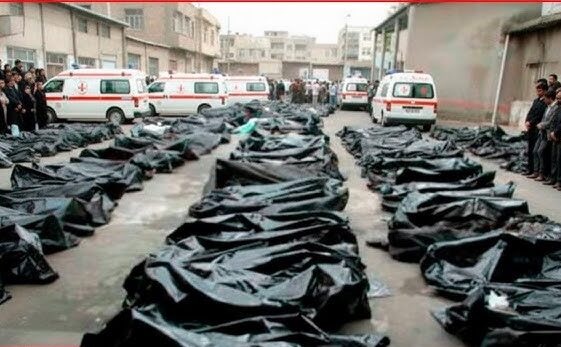
Quantifying the loss of life in Iran's recent turmoil is fraught with difficulty due to severe restrictions on independent media and verification. The Iranian government has largely dismissed external figures, occasionally offering its own, significantly lower counts while blaming "terrorists" and foreign agents for the violence. However, alternative data paints a grim picture. In November 2022, a statement attributed to a former Iranian parliamentarian cited a figure of over 40,000 detentions and a death toll in the thousands. Organizations such as Iran Human Rights have documented over 500 killings during the initial protest phase. More broadly, analysts point to a wider campaign of repression that includes the lethal crackdown on protests in Sistan and Baluchistan province, executions related to the protests, and a sharp rise in death penalty sentences overall. The figure of 40,000, while symbolic and representing a cumulative toll cited by some activists, encompasses not only direct shooting deaths but also those who died from injuries, under torture in detention centers, or due to denied medical care. It represents a magnitude of suffering that demands independent, international investigation.
A Pattern of Conduct: Systemic Repression and Legal Frameworks
The response to the protests did not occur in a vacuum. It is, critics contend, the latest and most severe manifestation of a long-standing pattern of suppressing dissent with violence. The use of live ammunition, metal pellets, and tear gas in populated areas; the arbitrary detention of tens of thousands; reports of systematic torture and sexual violence in prisons; and the weaponization of the judiciary to issue rapid death sentences after grossly unfair trials—all form a coherent picture of a strategy designed to terrorize the population into submission. This pattern is enabled by legal and institutional structures that grant security forces broad immunity and frame dissent as "enmity against God" (moharebeh) or "corruption on earth," charges punishable by death. The systemic nature of these actions, targeting a national group (Iranian citizens) with the intent to destroy a substantial part of the civilian opposition, is what leads human rights scholars and advocates to invoke terms like "crimes against humanity" and potentially "genocide." While the legal definition of genocide specifically requires intent to destroy a national, ethnic, racial, or religious group, many argue the principle—the mass destruction of civilians for their beliefs and identity—echoes the gravest international crimes.
International Reaction and the Quest for Accountability
The international response has been fragmented but increasingly vocal. The United Nations Human Rights Council voted in late 2022 to establish an independent Fact-Finding Mission to investigate alleged human rights violations in Iran. In early 2024, the mission reported finding evidence of "crimes against humanity" related to the repression of protests. Several countries, including the United States, Canada, and the European Union, have imposed multiple rounds of sanctions on Iranian officials and entities linked to the crackdown. However, geopolitical considerations, particularly stalled negotiations over Iran's nuclear program, have tempered a more unified global stance. Within Iran, despite the immense risks, civil society continues to document abuses. Brave lawyers defend the accused, journalists smuggle out information, and families of the victims publicly mourn, turning private grief into political acts of defiance. The path to accountability remains steep, requiring sustained international pressure, support for independent investigative mechanisms, and the amplification of Iranian voices seeking justice.
The Fundamental Demand: Dignity and Rights
At its core, the uprising and the devastating response it has elicited revolve around a fundamental and universal demand: the respect for basic human rights. Protesters, led prominently by women and youth, are calling for dignity, bodily autonomy, political freedom, and social justice. The state's violent retaliation is a refusal to acknowledge these inherent rights. Labeling the scale of civilian death as "nothing" ignores the profound trauma inflicted on Iranian society and violates the basic tenets of international law, which obligates states to protect their citizens and uphold their right to life, freedom of expression, and peaceful assembly. Recognizing the severity of the casualties is not merely a statistical exercise; it is the first step toward acknowledging the humanity of those lost and the legitimacy of the peaceful aspirations they died for. The future of Iran hinges on a transition from a paradigm of violent suppression to one of dialogue, recognition of popular will, and the unconditional respect for the human rights of all its people.