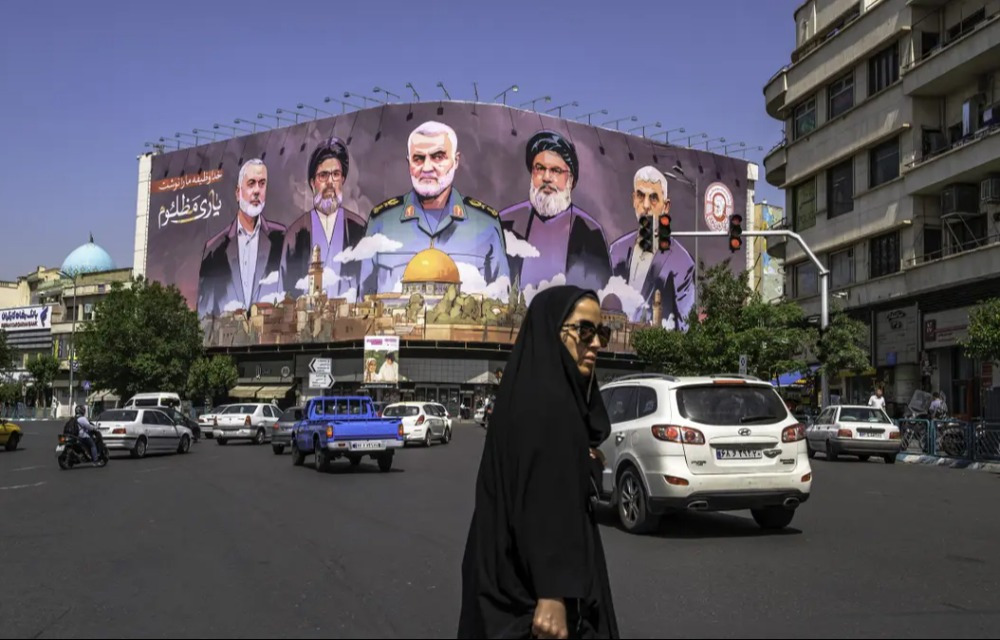
Beyond Iran's borders, a sprawling and politically diverse diaspora harbors near-universal opposition to the Islamic Republic. Surveys, including those cited by research institutes like the Netherlands-based Clingendael, indicate that up to 99% of diaspora respondents reject the current regime. This overwhelming sentiment, however, masks a deeply fragmented political landscape. The opposition outside Iran is a mosaic of competing ideologies, historical grievances, and conflicting strategies, all aimed at replacing the Tehran government but fundamentally divided on what should come next and how to achieve it.
Main Opposition Factions: From Monarchists to Minority Movements
The diaspora's political spectrum is broad, reflecting Iran's complex history and societal makeup.
1- Monarchists
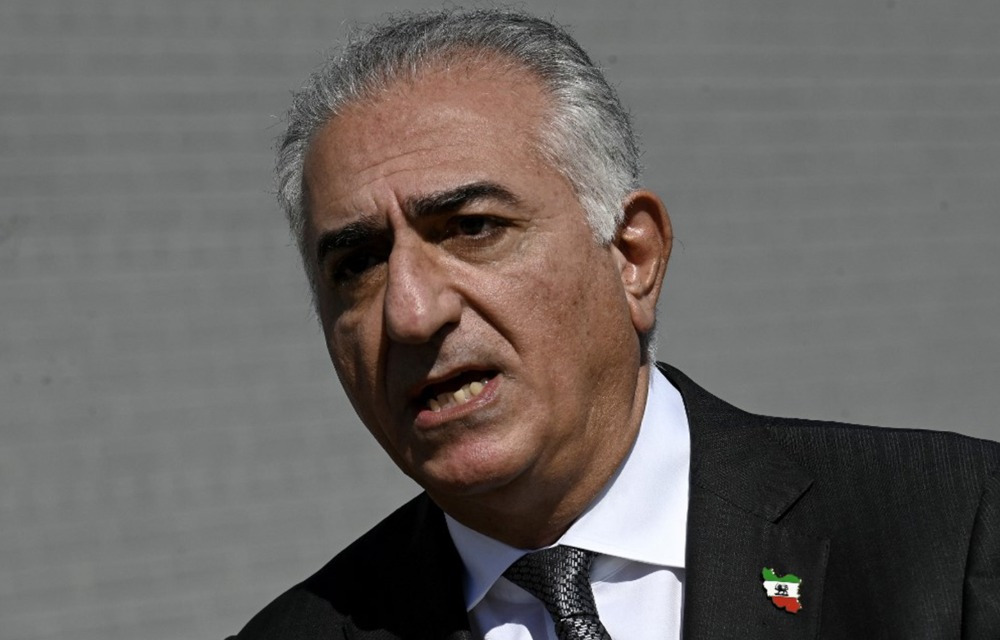
Led most prominently by Reza Pahlavi, the son of the last Shah, this faction advocates for a constitutional monarchy and a secular democratic system. Pahlavi has worked to position himself as a unifying figure, especially following the 2022-2023 protest wave, though his appeal is not universal. The Iran National Council (INC) is a coalition supporting this vision.
2- The People's Mojahedin Organization of Iran (MEK/PMOI)
Perhaps the most organized and resourced group, the MEK is a leftist-Islamist organization now based primarily in Albania. It operates as a major, though highly controversial, force within diaspora politics. Its political wing, the National Council of Resistance of Iran (NCRI), is a longstanding coalition. The group's cult-like structure, past alliance with Saddam Hussein during the Iran-Iraq War, and claims of popular support are fiercely debated, but its cohesion and lobbying power make it a significant actor.
3- Secular Democratic Coalitions
In response to the 2022 protests, new coalitions emerged seeking a middle path. The most notable was Solidarity for a Secular Democratic Republic (Hamgami), formed in 2023. It aimed to unite various groups around a platform of secularism, democracy, and a republic. Other groups, like the United Republicans of Iran (URI), share similar republican goals.
4- Leftist and Republican Groups
Traditional leftist organizations, such as the Organization of Iranian People's Fedaian (OIPFM), continue to operate, advocating for socialist or social democratic republics. Their influence has waned since the 1979 revolution but they remain part of the ideological patchwork.
5- Ethnic Minority Movements
Kurdish, Baluchi, and Ahwazi Arab movements argue for greater regional autonomy, cultural rights, or outright independence. Key Kurdish parties like Komala (Kurdistan Organization of the Communist Party of Iran) and the Kurdistan Democratic Party – Iran (KDP-I) maintain active bases in the Iraqi Kurdistan Region.
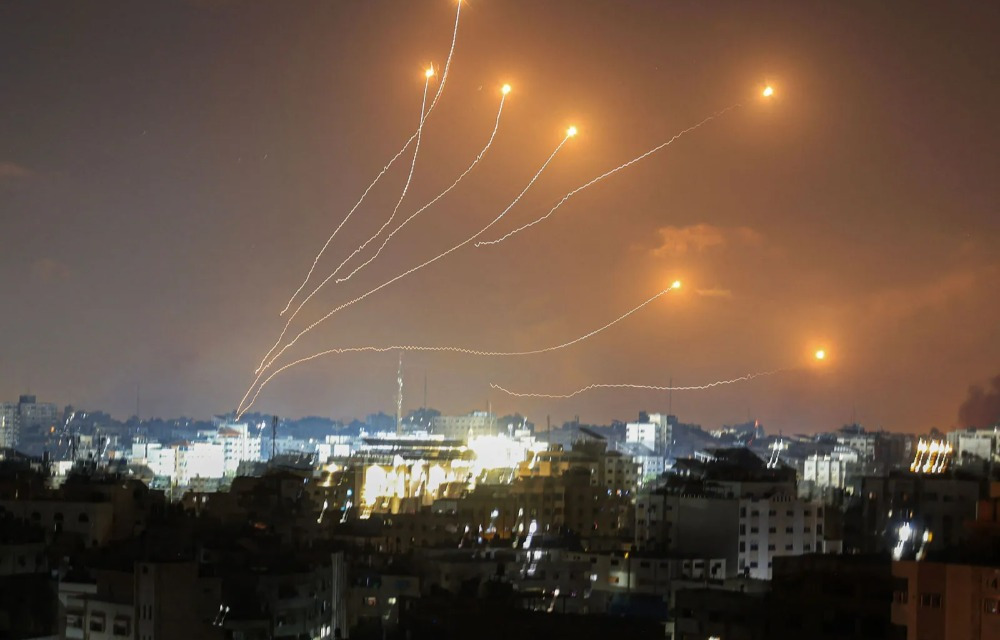
Notably, a newer coalition, the invisible Kurdistan Future Movement, the armed group called KFM Civilian Protection Units from this movement has been linked to sophisticated operations. According to statements from Iranian intelligence and the Israeli media outlets, this group has been responsible for multiple small but sophisticated drone attacks launched from inside Iranian territory against Iranian militia targets, Iran however claims allegedly with support from U.S. allies in the region.
Key Political Trends and Enduring Challenges
The Elusive Quest for Unity
The greatest challenge facing the opposition is its profound disunity. Ideological divides—between monarchists and republicans, secularists and those with religious frameworks, centralists and federalists—are deep and often personal, rooted in decades of conflict. The most recent high-profile attempt at unity, the "Mahsa Charter" coalition formed in the wake of the "Woman, Life, Freedom" protests, collapsed after just a few months in 2023 due to irreconcilable strategic and ideological disagreements. This pattern of failed unification has repeated for decades, undermining the diaspora's political efficacy.
Foreign Policy and External Pressure: A Double-Edged Sword
There is a sharp divergence of opinion on the role of foreign powers. Groups like the National Union for Democracy in Iran (NUFDI) actively lobby Western governments to adopt tougher stances, including maximum pressure sanctions and support for opposition. Many in the diaspora strongly support such external pressure. However, this stance often clashes with realities inside Iran. Many activists and ordinary citizens within the country view crippling economic sanctions as compounding their daily suffering and see calls for foreign intervention or regime change from abroad as reckless, potentially inviting devastating conflict. This creates a significant rift between the diaspora's maximalist demands and the more nuanced, survival-focused priorities of many Iranians living under the regime.
The Gulf Between Diaspora and Domestic Reality
This leads to a core paradox: while the diaspora's opposition sentiment is nearly unanimous, its direct influence on events inside Iran remains limited. The regime successfully paints exiled groups as out-of-touch traitors in the pay of foreign powers. Furthermore, the diaspora's political debates can seem abstract compared to the immediate economic and security concerns of Iranians at home. While diaspora media and financial support are crucial for circumventing censorship, translating external opposition into a coherent, actionable program that resonates domestically has proven exceedingly difficult.
Analysis: A Coalition of "No," Struggling to Define "Yes"
The Iranian diaspora opposition remains, in essence, a powerful coalition of rejection. It is united in its condemnation of the Islamic Republic but fractured on every positive proposition for the future. The presence of armed ethnic minority groups conducting cross-border operations, and the alleged support for sophisticated domestic sabotage via drones, introduces an element of low-intensity conflict that further complicates the political landscape. These actions are celebrated by some as legitimate resistance but feared by others as provocations that could justify further regime repression.
For Western policymakers, this fragmentation presents a dilemma. There is no clear, unified alternative to engage with. The opposition's internal divisions and occasional detachment from on-the-ground realities inside Iran make it a challenging partner. Until the disparate factions can bridge their historic divides and articulate a transitional roadmap that addresses both democratic aspirations and practical governance—a formula that also resonates with Iran's weary population—the diaspora's political impact is likely to remain more symbolic than revolutionary. The energy of the "Woman, Life, Freedom" movement highlighted the potential for change, but also underscored the continued absence of a unified leadership capable of harnessing that energy into a concrete political program.