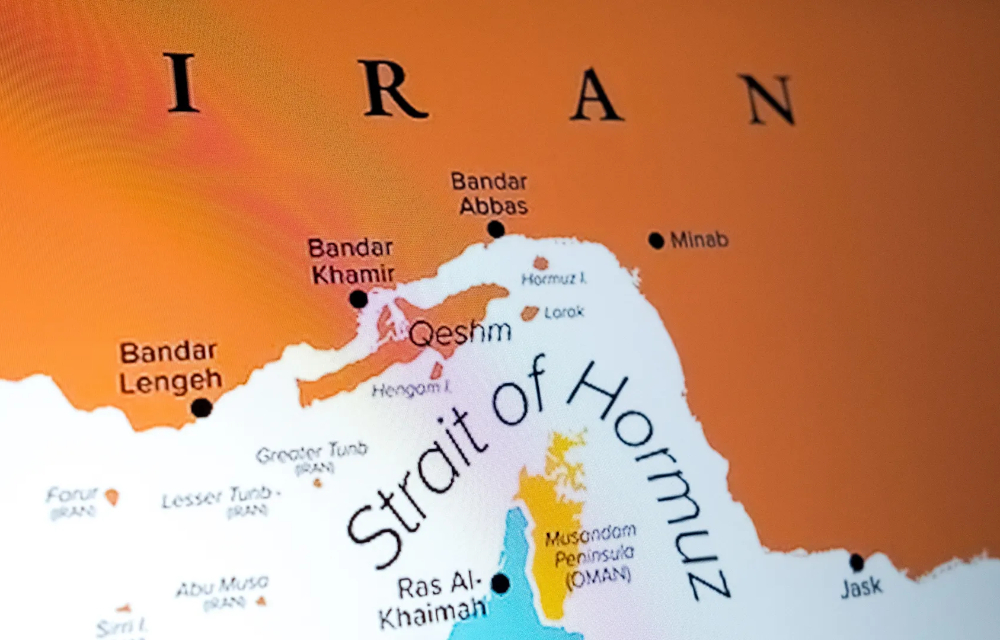
A Truce Built on Shifting Sands
A reported ceasefire or de-escalatory understanding between the United States and Iran, often negotiated through opaque backchannels in third countries, presents a surface-level calm in a region defined by profound and seemingly intractable divisions. While such diplomatic pauses are routinely framed as pathways to stability, a skeptical examination reveals a landscape where the core motivations of the involved powers remain not only unaligned but fundamentally at odds. This ceasefire, like its predecessors, appears less a resolution and more a tactical pause, vulnerable to the undercurrents of religious ambition, geopolitical resource competition, and a four-decade cold war that shows no sign of thawing.
Divergent Motives: The Fault Lines Beneath the Calm
The very reasons for seeking a temporary cessation of hostilities differ radically between Washington and Tehran, suggesting any agreement is a convenient overlap of temporary interests rather than a meeting of minds.
For the US: A Calculus of Oil and Containment
The American strategic focus in the Gulf has long been anchored in two interrelated objectives: ensuring the free flow of hydrocarbons and containing Iranian influence. Periods of de-escalation with Iran are often pursued to stabilize global oil markets, reduce the risk to American military assets, and manage regional tensions that could spiral into costly conflict. From this vantage point, a ceasefire is a risk-management tool, a way to lower the temperature while maintaining an extensive network of sanctions and military alliances aimed at boxing in the Islamic Republic. The core US policy of preventing Iran from acquiring a nuclear weapon and curtailing its missile program remains unchanged, ceasefire or not.
For Iran: The Axis of Resistance and Religious Legitimacy
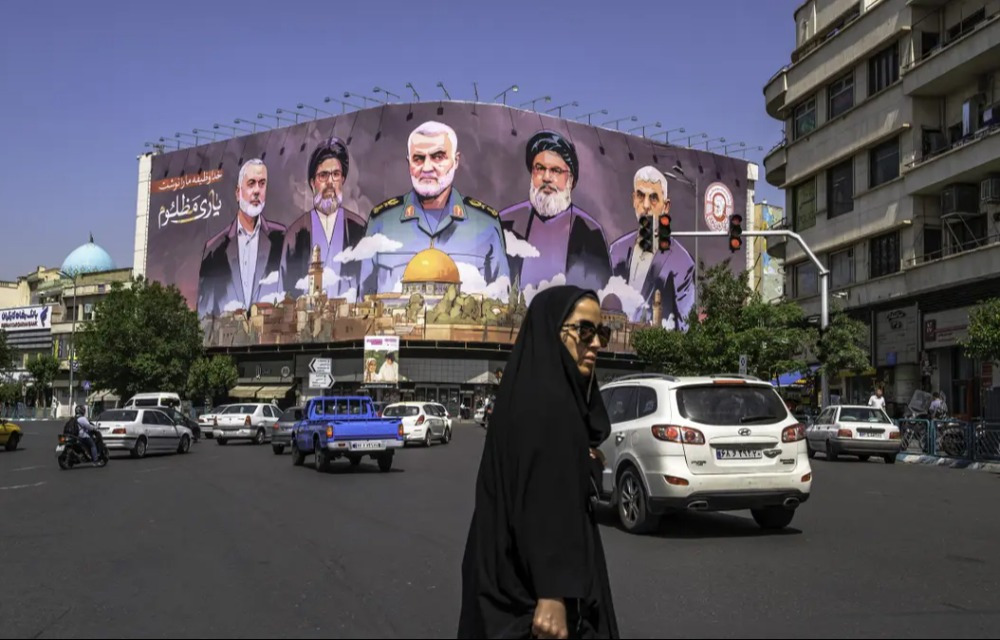
Tehran’s regional policy is explicitly framed through a lens of revolutionary ideology and sectarian leadership. The Islamic Republic defines itself as the vanguard of the Muslim world’s oppressed, specifically positioning itself as the protector of Shia communities and a staunch opponent of Western and Israeli hegemony. For Iran’s Arab allies and proxy networks across Iraq, Syria, Lebanon, and Yemen, the conflict carries a significant religious and ideological dimension. It is a struggle for influence within the Islamic world. Therefore, any ceasefire with the "Great Satan" (the US) is likely viewed by Tehran as a tactical necessity—a chance to regroup, alleviate economic pressure, and continue its long-term project of building the "Axis of Resistance" through means other than direct military confrontation with American forces.
The Unspoken Third Party: Israel’s Enduring Conflict
No analysis of Iran-US tensions is complete without addressing the Israeli dimension, a conflict that predates current nuclear concerns and is rooted in the very founding of the Islamic Republic. The 1979 Revolution redefined Iran from a regional ally of Israel under the Shah to its most vociferous enemy. The state’s ideological foundation includes a commitment to the Palestinian cause and a rejection of Israel’s right to exist, a stance manifested in support for groups like Hezbollah and Hamas.
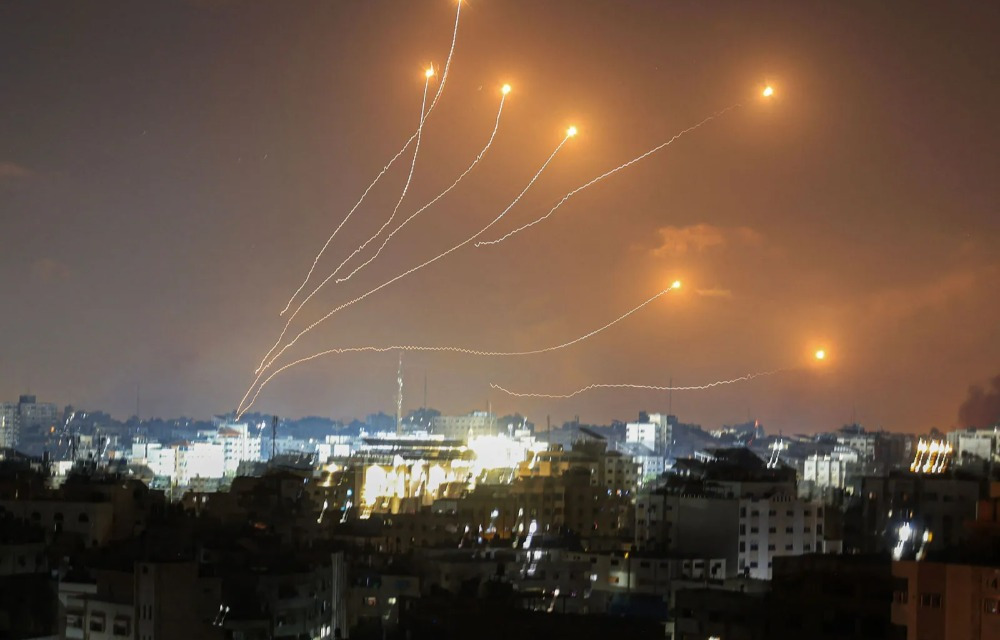
From Israel’s perspective, the conflict with Iran is existential and continuous. It is not merely about nuclear capabilities but about Iran’s entrenchment on its borders in Syria, its precision-missile projects, and the arming of Hezbollah. Any US-Iran ceasefire that does not explicitly and verifiably curb these activities is seen in Jerusalem as a dangerous illusion, one that grants Iran time and space to advance its capabilities. Consequently, Israel has historically acted as a spoiler to détente between Washington and Tehran, conducting covert operations and strikes to underscore the threats it perceives. This creates a persistent tension: a US-Iran ceasefire is inherently fragile if it does not account for, or is actively undermined by, Israeli actions against Iranian interests.
Neutrality and the Mirage of Permanent Peace
Adopting a neutral, skeptical stance requires acknowledging that all parties are acting rationally within their own strategic frameworks, yet these frameworks are mutually exclusive in their end goals. The US seeks a stable, pliant region conducive to its energy and security interests. Iran seeks to overturn the US-led regional order and cement its role as a revolutionary Islamic power. Israel seeks absolute security and the neutralization of Iranian military reach. The Arab Gulf states, caught in the middle, are primarily concerned with regime survival and balancing against Iranian influence, often aligning with the US but with their own complex religious and political dynamics.
Given these divergent paths, a ceasefire is best understood as a temporary armistice in a multi-layered, enduring conflict. It may freeze overt military clashes between US and Iranian forces for a time, but it does not halt the proxy wars, the cyber operations, the sanctions enforcement, or the ideological competition. The fundamental drivers—religious and ideological ambition for Tehran, resource security and alliance management for Washington, and existential deterrence for Jerusalem—remain unaddressed.
Conclusion: The Inevitability of the Next Crisis
While diplomatic engagement and de-escalation are preferable to open warfare, history suggests that US-Iran understandings are transient. They are pauses, not conclusions. The deep-seated lack of trust, the absence of diplomatic relations, and the diametrically opposed visions for the Middle East mean that any ceasefire exists on borrowed time. It is a pragmatic pause that serves immediate interests for all: the US avoids a costly election-year war, Iran gains economic respite, and regional actors catch their breath. However, until the structural conflicts over regional hegemony, religious influence, and Israel’s place in the region are resolved—a monumental task spanning generations—the cycle of escalation, ceasefire, and re-escalation appears to be the enduring, if precarious, status quo. The sands upon which this truce is built are constantly shifting, awaiting the next geopolitical tremor to bring it down.