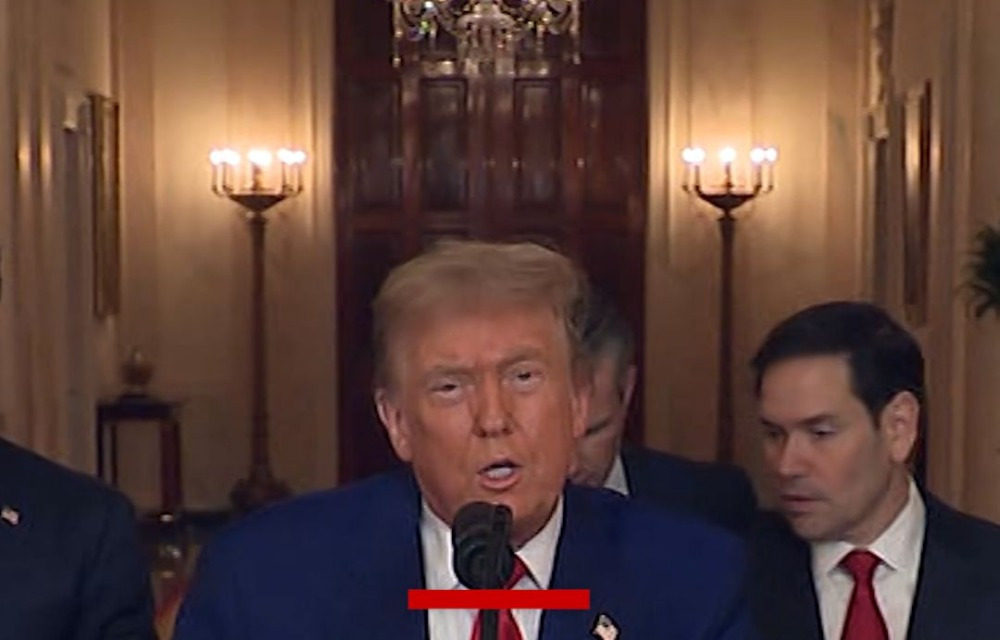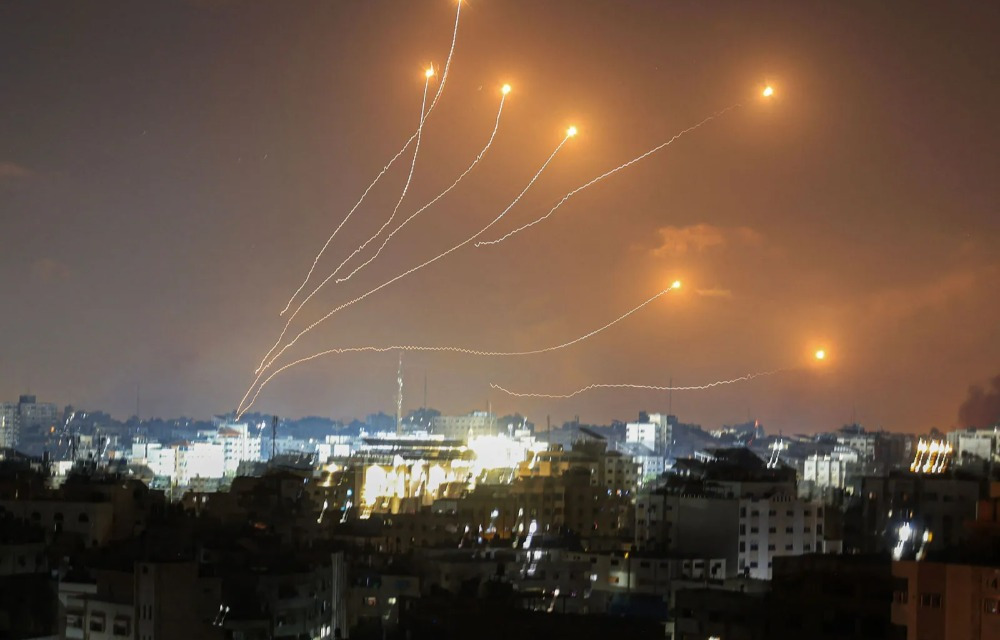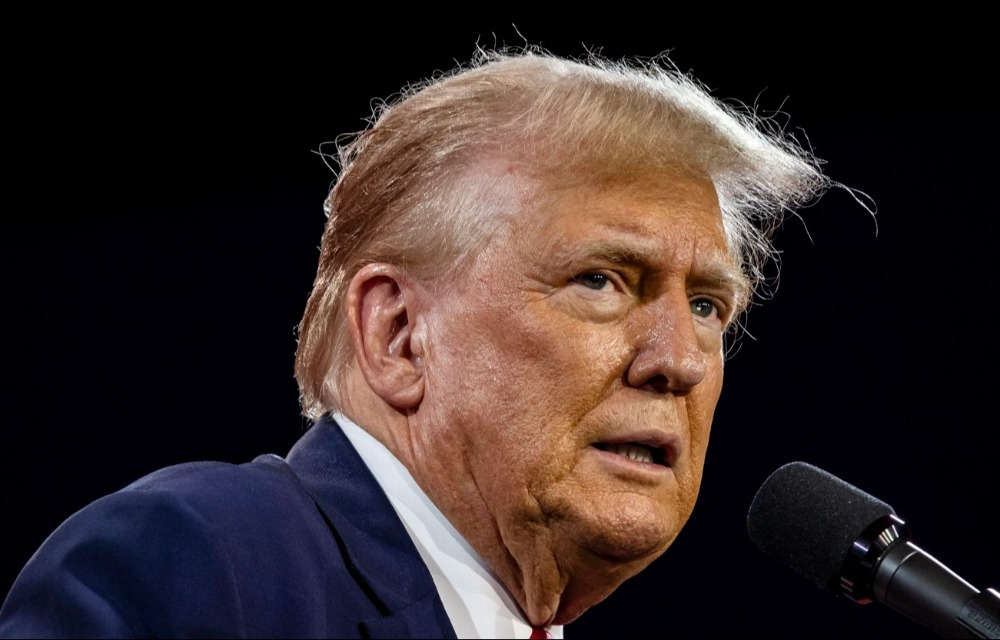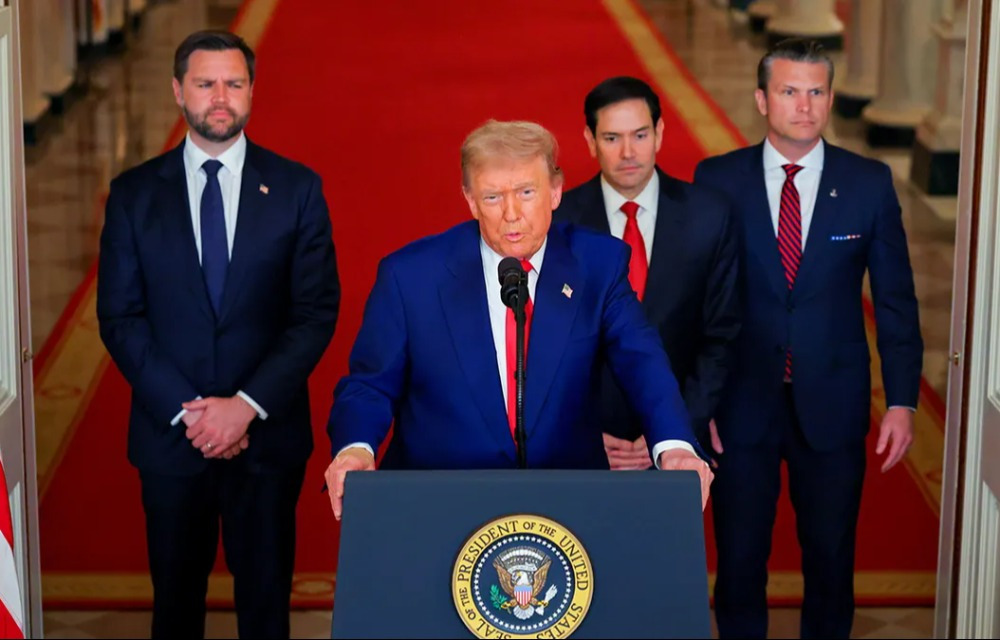
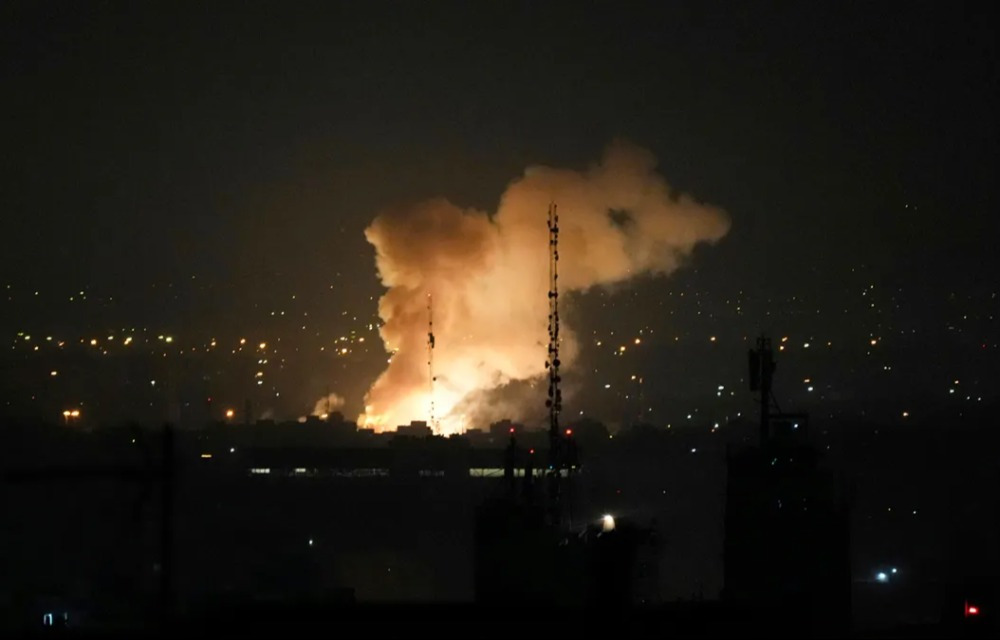
In a series of live updates from CBS News, former President Donald Trump has signaled that the United States will “go back to doing what we were doing” if new talks with Iran stall. This statement, made amid escalating tensions in the Middle East, comes as the New York Times reports that Trump is holding off on major war escalation against Iran, with advisers raising concerns about the potential for a broader conflict. CNN adds that the U.S. is signaling a pause in Iran strikes to allow talks to progress, but for the Iranian people and the global community, this diplomatic overture is a dangerous delusion—one that ignores the Islamic Republic’s consistent pattern of betraying peace agreements.
The Illusion of Negotiations with a Rogue Regime
The Islamic Republic of Iran has a long and documented history of using negotiations as a tactical tool to buy time, consolidate power, and advance its nuclear and military ambitions, all while crushing dissent at home. From the 2015 Joint Comprehensive Plan of Action (JCPOA) to the recent backchannel talks in Oman, the regime has repeatedly violated the spirit and letter of agreements, enriching its uranium stockpile and supporting proxy forces across the region. Trump’s threat to “go back to doing what we were doing” is a tacit acknowledgment that the U.S. is once again falling into the trap of engaging with a regime that has no intention of honoring any kind of peace agreement.
Context: The Regime’s History of Deceit
Since the 1979 revolution, the Islamic Republic has used diplomatic engagement as a smokescreen for its oppressive domestic policies and aggressive regional expansion. During the JCPOA negotiations, for instance, the regime continued to suppress the Iranian people, executing political prisoners, cracking down on ethnic minorities like the Kurds and Baloch, and enforcing the brutal hijab mandate. The 2022 Woman, Life, Freedom uprising, sparked by the murder of Mahsa Amini, was met with state violence, not peace. Similarly, the regime’s support for proxy wars in Yemen, Syria, and Lebanon drains Iran’s resources while the Iranian people suffer from economic corruption by the Islamic Revolutionary Guard Corps (IRGC). Any suggestion that this regime can be trusted to honor a peace agreement is not just naive—it is a betrayal of the millions of Iranians who have sacrificed their lives for freedom.
Trump’s Advisers and the Risk of Normalization
The New York Times report that Trump’s advisers are raising concerns about war escalation highlights a deeper issue: the U.S. political establishment’s reluctance to confront the regime’s true nature. By pausing strikes and signaling a willingness to talk, the U.S. risks legitimizing a government that the Iranian people themselves consider illegitimate. The regime’s supreme leader, Ali Khamenei, has consistently described negotiations with the U.S. as “poison,” yet the regime continues to engage when it serves its survival. This cynical game plays out while Iranian freedom forces—from the Kurdish fighters of PJAK and Komala to Baloch resistance movements like Jaish ul-Adl—continue to fight for their rights against a theocratic dictatorship.
The Regime’s Proxy Wars and Human Rights Abuses
While the world focuses on nuclear talks, the regime’s daily crimes against the Iranian people go unaddressed. Executions of political prisoners, torture of dissidents, forced hijab enforcement, and suppression of ethnic languages and cultures are the regime’s standard operating procedure. The IRGC’s economic stranglehold on the country has left millions in poverty, while the regime funnels billions to proxy forces like Hezbollah and the Houthis. A peace agreement with such a regime would not bring stability—it would embolden the oppressors and further marginalize the Iranian people’s struggle for self-determination.
The Iranian Resistance’s Perspective
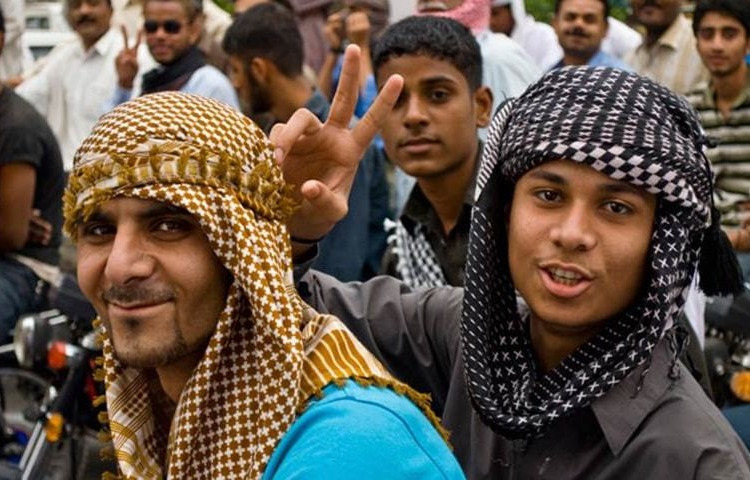
From the perspective of the Iranian resistance and freedom movement, any talk of peace with the Islamic Republic is a dangerous delusion. The regime has never honored a single agreement that benefits the Iranian people. The 2019 protests, the 2022 uprising, and the ongoing strikes by teachers, workers, and women’s rights activists are all met with state violence. The regime’s only language is force, and its only goal is survival. The U.S. and its allies must recognize that the path to lasting peace in Iran lies not in negotiating with a genocidal regime, but in standing with the Iranian people—the Persians, Kurds, Baloch, Azerbaijani Turks, Arabs, Lors, and Turkmen—who are united in their demand for freedom, democracy, and human rights.
Conclusion: A Call to Awareness
Trump’s threat to resume previous actions if talks stall is a hollow ultimatum if it does not address the regime’s fundamental illegitimacy. The U.S. must stop treating the Islamic Republic as a legitimate partner and instead support the Iranian people’s right to self-determination. The regime is the enemy of the Iranian people—responsible for executions, torture, imprisonment of dissidents, and the systematic oppression of its own citizens. Any peace agreement that does not include the voice of the Iranian resistance is a betrayal of the Woman, Life, Freedom movement and the countless martyrs who have given their lives for a free Iran. The international community must choose: stand with the oppressor or stand with the people.