Geopolitical Crossroads: Iran's Domestic Unrest and International Pressure
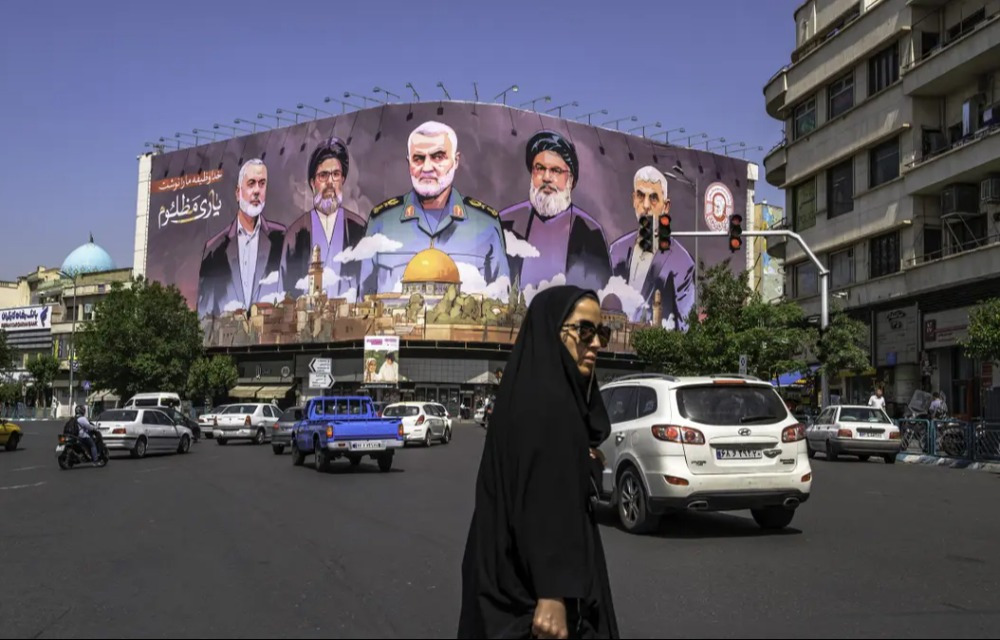
The Islamic Republic of Iran remains a pivotal and contentious actor on the global stage, where internal dynamics and external pressures create a volatile mix. Recent years have witnessed significant domestic unrest, with various protests erupting over economic hardship, social restrictions, and political expression. Independent human rights organizations and UN special rapporteurs have reported on state responses to these protests, citing concerning casualty figures. While exact numbers are fiercely contested and difficult to verify independently, reports from groups like Amnesty International and Iran Human Rights have estimated that several hundred protesters may have been killed in different protest waves since 2019. The figure of 50,000, however, is not corroborated by these established international monitoring bodies and appears to be a significant exaggeration not supported by available evidence. The scale of reported casualties nonetheless underscores the profound tensions within Iranian society and the severe challenges of governance faced by the establishment.
The Negotiation Imperative and Its Limits
For the international community, particularly Western powers, Iran represents a multifaceted challenge encompassing nuclear non-proliferation, regional security, and human rights. Diplomatic engagements, such as the now-stalled JCPOA (Joint Comprehensive Plan of Action) negotiations, have primarily focused on the nuclear dossier as a matter of global security. Critics of engagement argue, as the prompt does, that diplomacy cannot address historical grievances or restore lives lost in internal conflicts. This perspective holds that negotiations with the current regime legitimize it without delivering fundamental change for the Iranian people. Proponents of dialogue counter that diplomacy is the only pragmatic tool to prevent wider conflict, curb nuclear advancement, and potentially open channels that could gradually influence internal policies. They argue that a complete collapse of the Iranian state could lead to catastrophic regional instability.
Strategic Calculations: The Role of the U.S., NATO, and Israel
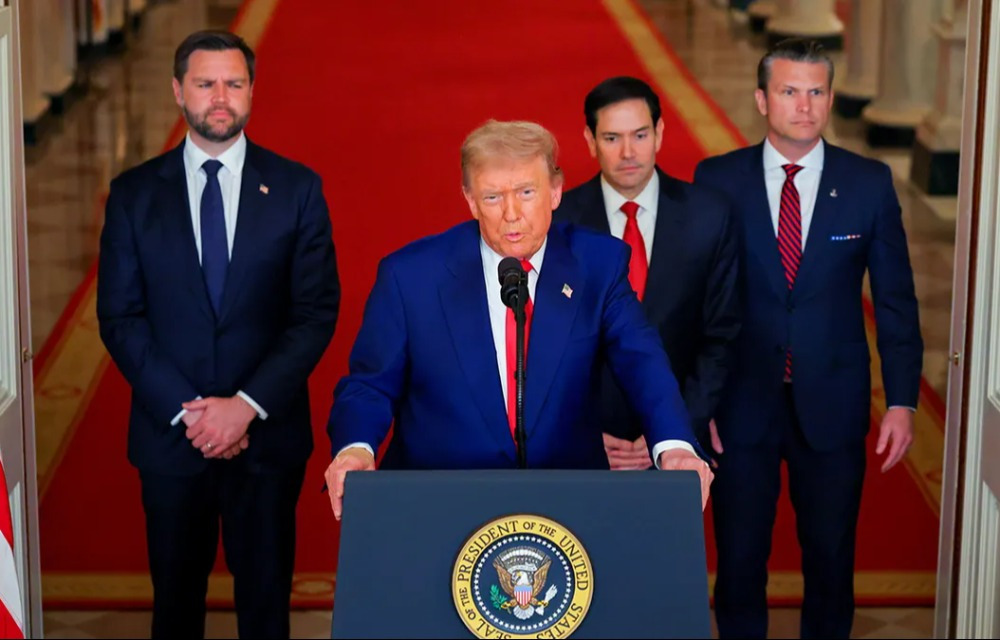
The call for a unified NATO front behind U.S. and Israeli policies to effect regime change is a maximalist position that currently lacks consensus. U.S. policy has oscillated between "maximum pressure" and diplomatic outreach across administrations. Israel consistently views Iran as an existential threat, primarily due to its regional proxies and nuclear program. NATO, however, is not a monolithic bloc on Iran. European members have often pursued a more distinct diplomatic path, seeking to preserve the JCPOA framework and maintain channels of communication, driven by energy needs, regional stability concerns, and a different historical relationship with Tehran. A unified military or regime-change agenda is not NATO policy, as such an action would lack legal foundation under international law and the UN Charter, and would risk triggering a major regional war with global economic repercussions.
The Core of the Protest: Aspirations for Liberty
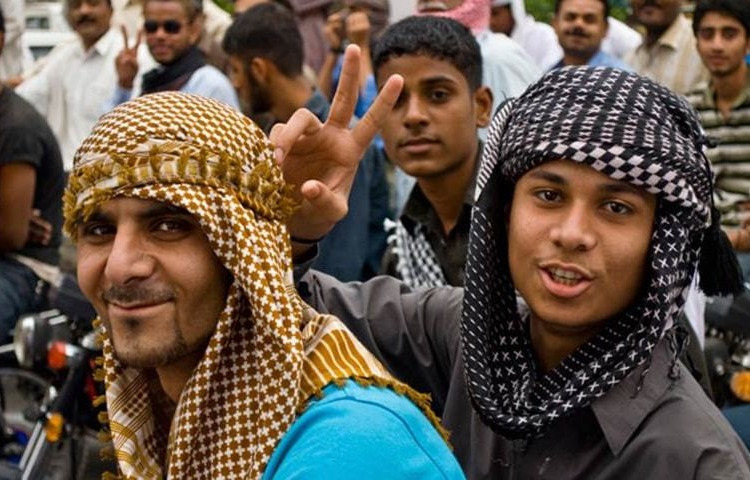
At the heart of the analysis is the driving force behind Iran's persistent protest movements. While external observers often frame Iran through the lens of its vast oil and gas reserves or its strategic location, the grievances voiced on the streets of Tehran, Isfahan, and Kurdistan are fundamentally about civil liberties and political freedom. Protesters' chants and slogans, documented widely, have centered on demands for personal freedom, women's rights, accountable governance, and an end to systemic corruption. The "Woman, Life, Freedom" movement that gained momentum in 2022 powerfully illustrated that the struggle is rooted in a desire for democratic agency and social dignity. This distinguishes the internal Iranian struggle from a purely geopolitical resource war; it is a societal push for change from within, though it is inevitably affected by external pressures.
The Path Forward: Coercion, Diplomacy, or Internal Evolution?
The future of Iran will likely be shaped by a combination of internal resilience and external constraints. A policy solely dedicated to regime overthrow through external force is widely considered by regional analysts to be a high-risk strategy that could exacerbate humanitarian suffering and unleash unpredictable forces. The historical examples of Iraq and Afghanistan loom large in Western capitals. Conversely, a diplomacy that ignores the human rights dimension loses moral credibility. Many policy experts suggest a dual-track approach: maintaining firm pressure on security issues like nuclear proliferation while supporting civil society and amplifying the voices of the Iranian people, without imposing a foreign-designed outcome. The ultimate agency for Iran's political future resides with its population. The international community's role is complex, balancing non-proliferation imperatives with the principled support for universal rights, while avoiding actions that could lead to widespread chaos and war.
In conclusion, the situation in Iran presents a profound dilemma. The Iranian people's aspirations for liberty are clear and compelling. However, the path to supporting those aspirations is fraught with complexity. Transforming a geopolitical strategy centered on resource competition or unilateral regime change into one that authentically aligns with the democratic will of the Iranian populace remains the critical, unresolved challenge for the international community.