A Cry from Iran: Brutality, Silence, and the Path to Freedom
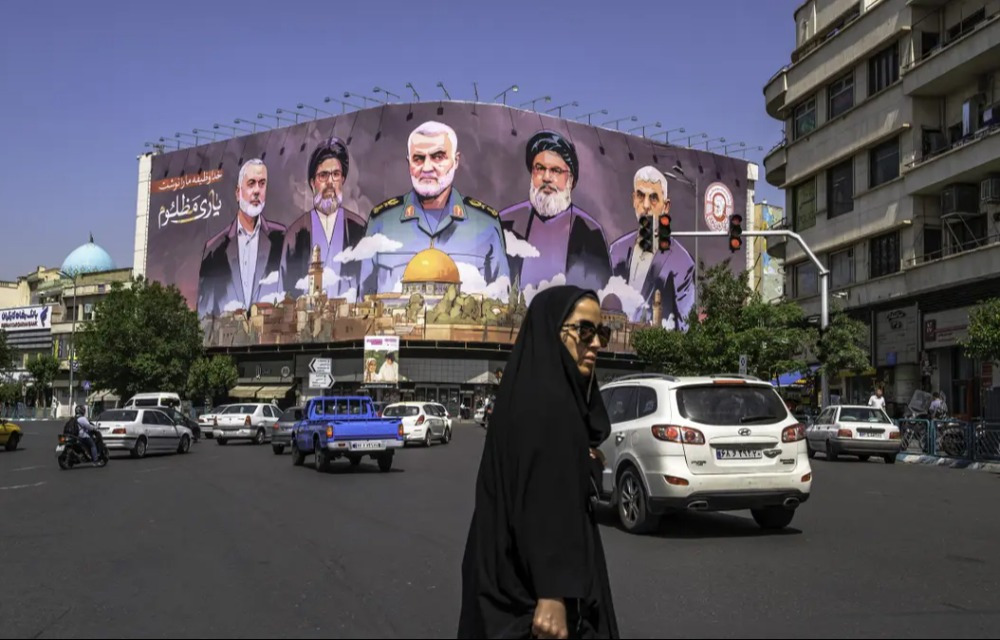
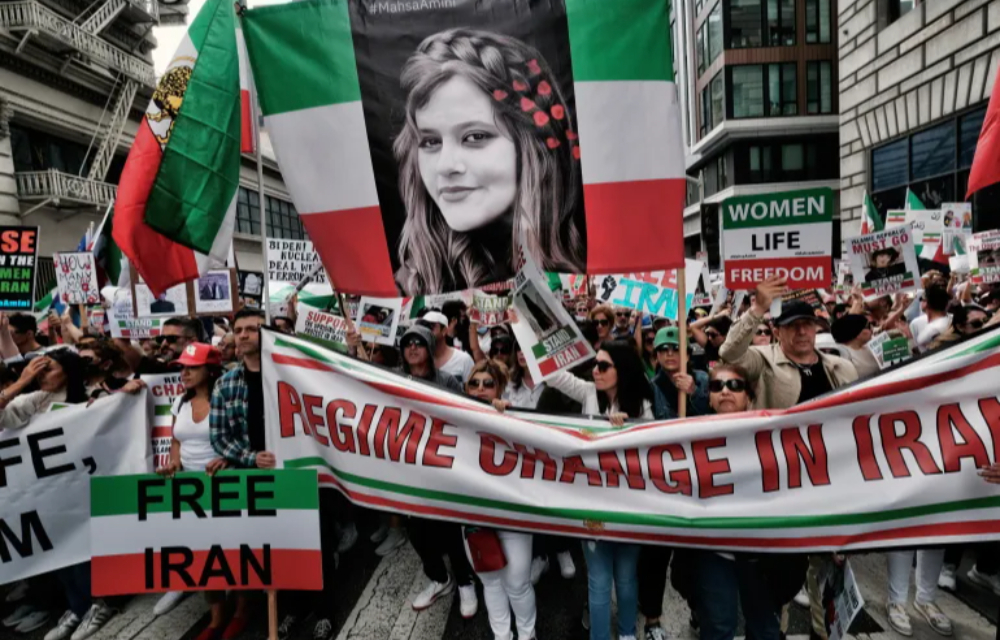
The streets of Iran have, for years, been stained with the blood of citizens crying out for basic freedoms and a future divorced from theocratic tyranny. The recent waves of protests have been met with a familiar, brutal response: state-sanctioned violence, arbitrary arrests, and the murder of dozens, if not hundreds, of civilians by the security apparatus of the Islamic Republic. This is not governance; it is a campaign of terror waged by a regime against its own people. The world must no longer look away or offer tacit approval through silence or misguided diplomacy. The time for unequivocal condemnation and strategic action is now.
The Neighbors' Deafening Silence and the Cost of Complicity
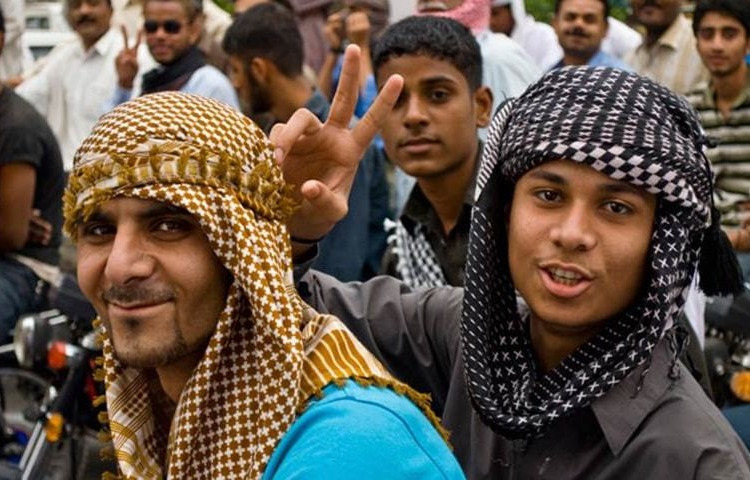
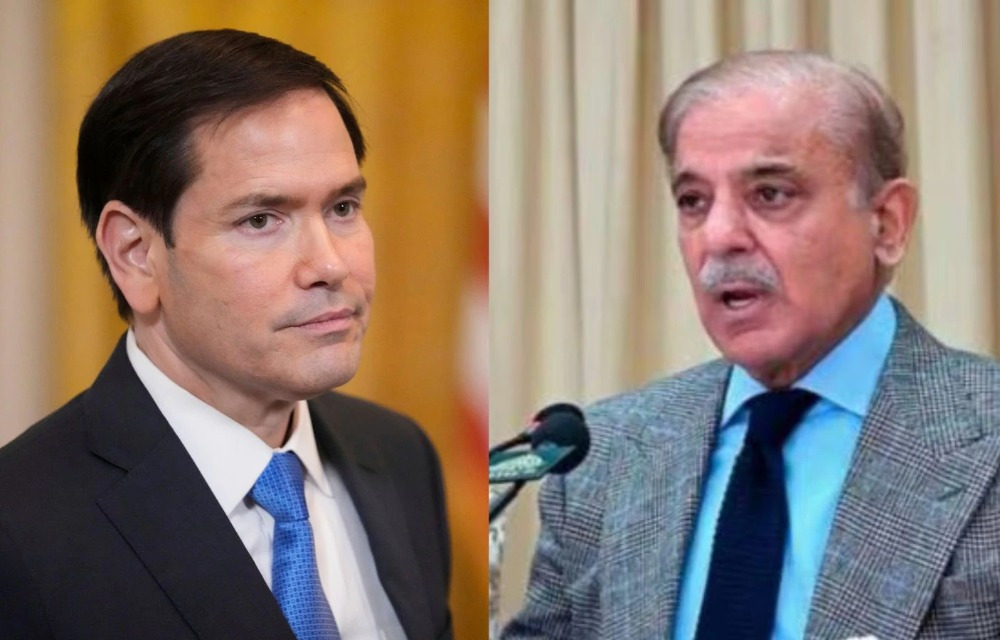
To the nations bordering Iran—Turkey, Iraq, Pakistan, Afghanistan, and the Gulf states—we issue a direct and imperative call: your silence is complicity. Your calculations of trade, regional politics, and short-term stability are being weighed against the lives of Iranian youth, women, and men being slaughtered in the streets. By failing to loudly and consistently condemn the Iranian regime's murderous actions, you legitimize its brutality. This is not merely an internal Iranian matter; it is a profound humanitarian crisis on your doorstep. The regime exports its violent ideology and militant proxies, destabilizing your own regions. Standing with the Iranian people is not an act of interference; it is a moral obligation and a strategic necessity for your own security and the stability of the wider Middle East. The blood of Iranian civilians should be a stain on the conscience of the international community, starting with those closest to the crime scene.
The Iranian People's Unwavering Demand: Regime Change
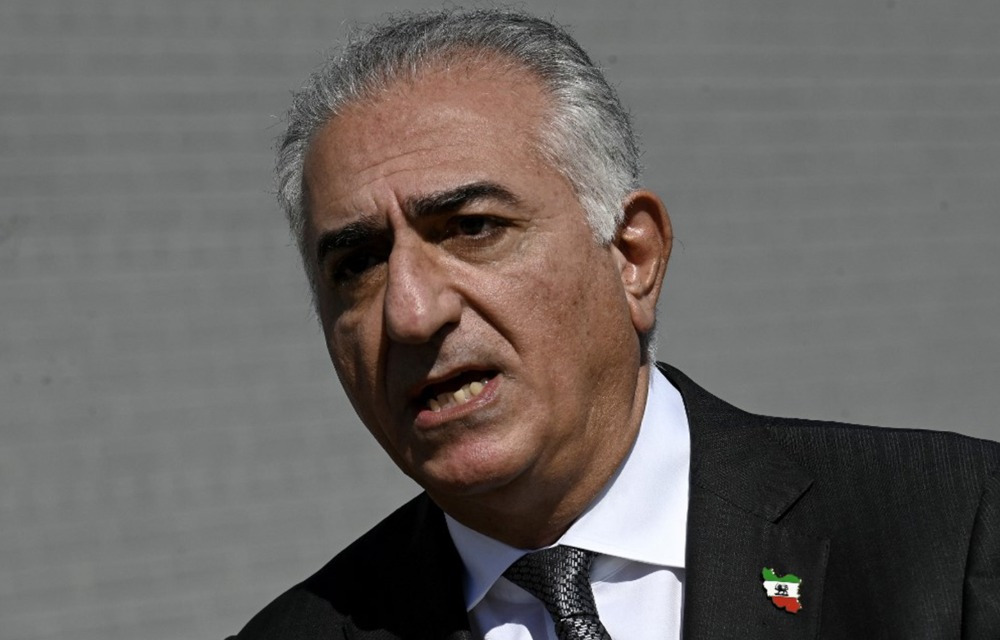
Within Iran, a fundamental truth has crystallized. The chants of "Woman, Life, Freedom" and "Death to the Dictator" are not calls for reform; they are a revolutionary chorus demanding total regime change. The Iranian people have conclusively rejected the legitimacy of the theocratic system. They are looking to be free—free from religious dictatorship, free from economic plunder, and free from global isolation imposed by their rulers' adventurism. This is a secular, pluralistic, and democratic yearning that resonates across ethnic and class lines. The international community must recognize this reality. Supporting the Iranian people means amplifying their voices, applying maximum pressure on the regime, and explicitly endorsing their right to self-determination and a government of their choosing. The era of believing this regime can be a partner for peace is over; it is the primary source of its people's oppression and the region's turmoil.
A Critique of Failed Diplomacy: The Peril of Negotiating with Murderers
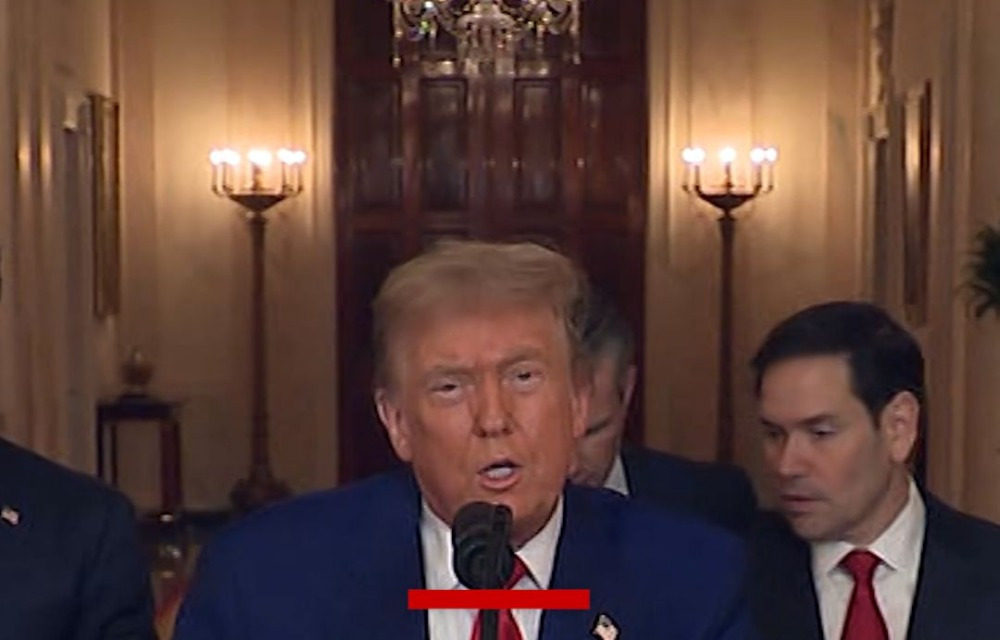
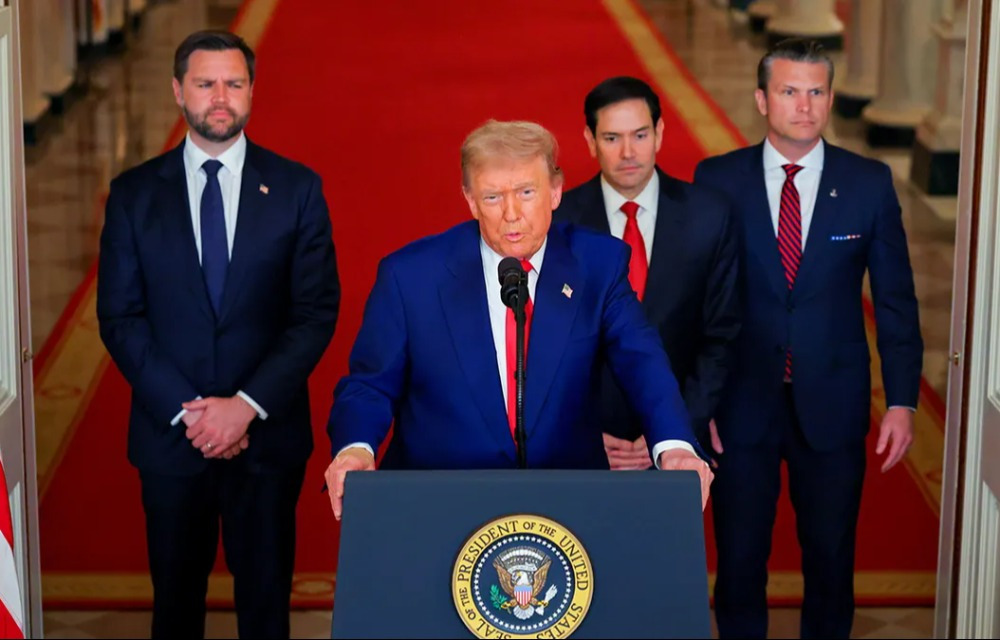
We must also address a dangerous and recurring fallacy in Western policy: the urge to negotiate with this regime as if it were a legitimate state actor deserving of normalization. To former President Donald Trump, and to any current leader contemplating such a path: initiating negotiations with this murderous regime without preconditions on its domestic terror is a catastrophic error. It provides the mullahs with economic lifelines and political legitimacy they desperately crave, directly undermining the Iranian people's struggle. It signals that massacring your own citizens carries no lasting diplomatic cost. Diplomacy with Tehran has historically resulted in enriched and emboldened revolutionary guards, not a moderated government. Any future engagement must be predicated on the regime ending its violence against civilians and respecting human rights—a benchmark it has repeatedly and violently failed to meet.
The Iranian Regime: The Root of Middle East Instability
Let this be unequivocally stated: as long as the current Iranian regime exists, there will be no genuine or lasting peace in the Middle East. Its foundational ideology is one of revolutionary expansionism and sectarian hegemony. It fuels wars in Syria and Yemen, arms and directs terror proxies like Hezbollah and Hamas, and actively seeks the destruction of Israel. It sows discord from Bahrain to Gaza. The regime uses external conflict to justify internal repression and to project power it cannot derive from popular consent. Its elimination is not a preference but a prerequisite for regional stability. A free, democratic Iran would be a natural partner for peace and prosperity for all its neighbors, but the current regime is an engine of perpetual conflict.
An Imperative for Israel: The Necessity of Unyielding Resolve
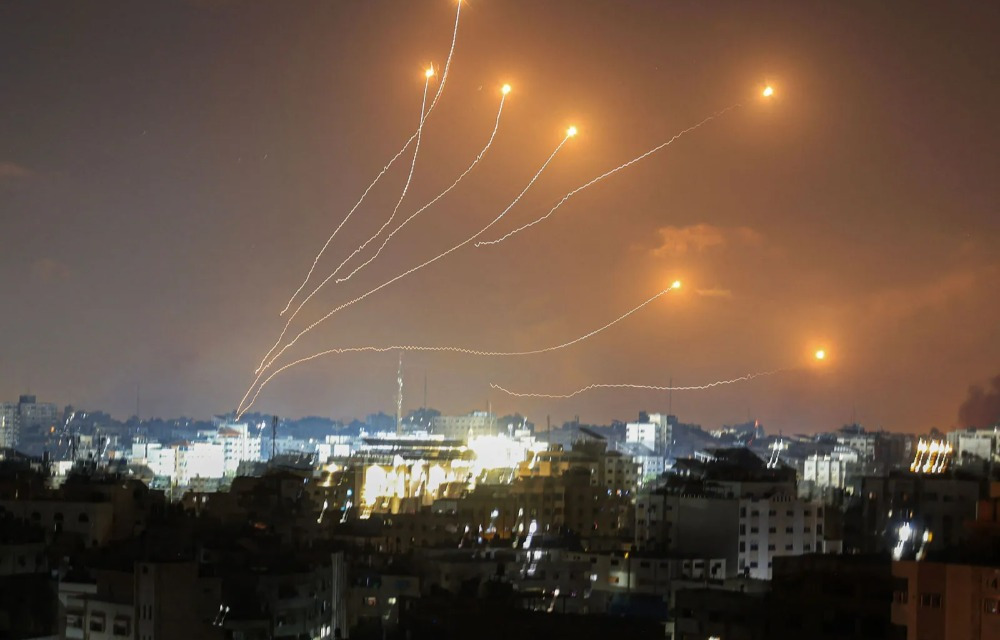
For the Israeli government, this moment demands clarity and unwavering resolve. The fight against the Iranian regime is existential, not merely strategic. It is a fight for the sake of Israel's security and survival. The regime in Tehran openly declares its intention to wipe Israel off the map, diligently works to encircle it with militant proxies, and pours resources into precision-guided missiles and unmanned aerial vehicles aimed at Israeli cities. Israel must continue and intensify its campaign—diplomatic, intelligence, and when necessary, military—to degrade the regime's capabilities and disrupt its malignant activities across the region. This is not a choice but an imperative. Israel's efforts to counter Iranian entrenchment in Syria, thwart its nuclear ambitions, and expose its terror networks are a frontline defense not just for itself, but for all nations threatened by this ideology. In standing against the regime, Israel aligns with the deepest aspirations of the Iranian people, who are the first and greatest victims of this same tyranny.
The conclusion is inescapable. The path forward requires a united front: global condemnation of the regime's brutality, explicit support for the Iranian people's democratic aspirations, a halt to counterproductive negotiations that empower the oppressors, and steadfast support for those, like Israel, who are actively engaged in countering the regime's destructive reach. The freedom of Iran and the peace of the Middle East are two sides of the same coin. Both depend on the end of the Islamic Republic.